
Crispy Buttermilk Chicken Sandwich,Crispy Buttermilk Chicken Sandwich
Mastering a restaurant-quality crispy buttermilk chicken sandwich, crispy buttermilk chicken sandwich at home is an achievable feat for any kitchen enthusiast. By balancing the acidity of the dairy marinade with a perfectly seasoned flour dredge, you can recreate that craveable crunch and tender interior found in the best versions of this classic comfort food.
This preparation ensures that every bite delivers a satisfying snap, followed by succulent, flavorful meat. Whether you are hosting a weekend brunch or simply craving a savory treat, learning these techniques will change how you approach frying poultry forever.
- Prep time: 15 minutes
- Cook time: 30 minutes
- Total time: 45 minutes
- Servings: 4
- Calories: 420 per serving
Ingredients
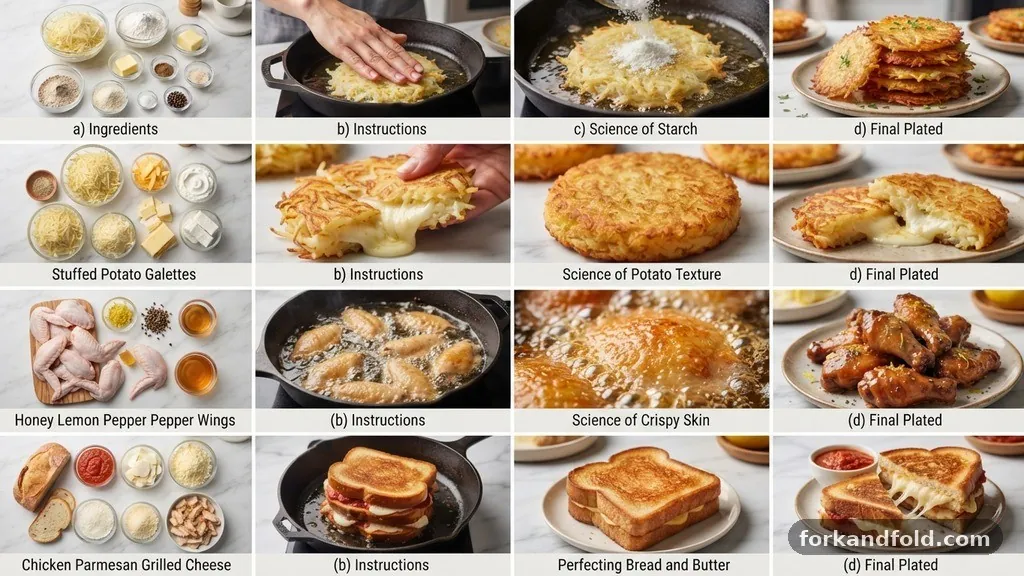
- 4 boneless, skinless chicken thighs
- 2 cups full-fat buttermilk
- 2 tbsp hot sauce
- 2 cups all-purpose flour
- 1 tbsp salt
- 1 tbsp garlic powder
- 1 tsp black pepper
- 1 tsp cayenne pepper
- 1 quart neutral frying oil (such as canola or vegetable)
- 4 brioche or potato buns
- 4 tbsp unsalted butter, softened
- 8-10 dill pickle chips
Instructions
- Place the chicken thighs in a large bowl and pour the buttermilk and hot sauce over them.
- Cover the bowl and place it in the refrigerator for at least two hours, though four hours is ideal for maximum tenderness.
- Whisk the flour, salt, garlic powder, black pepper, and cayenne in a wide, shallow dish until thoroughly combined.
- Remove one piece of chicken from the marinade, allowing the excess to drip off, then press it firmly into the seasoned flour.
- Ensure the meat is coated on all sides, pressing the flour into the crevices to create those essential crispy craggy bits.
- Place the coated chicken on a wire rack while you repeat the process with the remaining pieces.
- Pour the oil into a deep cast-iron skillet or Dutch oven, filling it about two inches deep.
- Heat the oil until it reaches 350°F; you can check this with a kitchen thermometer or by dropping a small pinch of flour into the pot.
- Carefully lower the chicken into the oil using tongs, being careful not to overcrowd the pan.
- Fry for about 6 to 8 minutes per side, or until the exterior is deep golden brown and the internal temperature reaches 165°F.
- Remove the fried chicken from the oil and let it drain on a fresh wire rack to maintain its crunch.
- Toast the buttered buns in a separate pan until they are golden brown and slightly crisp.
- Assemble your sandwiches by placing a piece of chicken on the bottom bun and topping it with plenty of dill pickles.
The Science of the Marinade
The secret to a superior crispy buttermilk chicken sandwich, crispy buttermilk chicken sandwich lies in the chemical interaction between the dairy and the protein. Buttermilk is mildly acidic, which works to gently break down the muscle fibers in the chicken thighs. This process ensures that even after a high-heat fry, the meat remains moist and tender rather than rubbery or dry.
You should never skip the rest period in the refrigerator. Allowing the chicken to soak for several hours gives the buttermilk enough time to penetrate the meat thoroughly. If you are short on time, even a quick thirty-minute soak provides a noticeable improvement in texture compared to unmarinated poultry.
Adding hot sauce to the liquid is more than just a flavor choice. The vinegar in the hot sauce enhances the tenderizing effect of the buttermilk. It also provides a subtle background heat that permeates the meat, creating a more complex flavor profile than salt alone could offer.
Mastering the Dredge
A perfect crust requires more than just flour; it requires technique. When you press the chicken into the flour mixture, don’t be afraid to use a bit of pressure. This action forces the flour to adhere to the wet surface of the buttermilk-soaked meat, which is the primary way to build a thick, shaggy coating.
Many home cooks make the mistake of using too little flour or failing to shake off the excess marinade. If the chicken is too wet when it hits the flour, the coating will turn into a gummy mess instead of a crispy shell. A light shake ensures that you only have a thin layer of liquid remaining, which creates the ideal canvas for the dry ingredients.
For an even crunchier result, you can add a tablespoon of cornstarch to your flour mixture. This small addition inhibits gluten development in the crust, resulting in a lighter and more delicate crunch. It is a professional trick often used in safe poultry preparation to ensure the best possible finish for fried chicken.
Temperature Control During Frying
The temperature of your oil is the most critical factor in the success of your final product. If the oil is too cold, the chicken will absorb the fat, resulting in a greasy and unappealing sandwich. If it is too hot, the exterior will burn before the center of the thigh is fully cooked.
Maintain the heat between 350°F and 375°F throughout the cooking process. Use a heavy-bottomed pot, as it retains heat better than thinner pans, preventing drastic temperature swings when you add the cold meat. Don’t crowd the pot, as adding too many pieces at once will cause the oil temperature to plummet.
Investing in a digital probe thermometer is highly recommended for this recipe. It takes the guesswork out of the process, allowing you to monitor the internal temperature of the chicken as it fries. When the meat hits the target temperature, you know it is safe to eat and perfectly cooked, regardless of how dark the exterior looks.
Choosing the Right Ingredients
While it might be tempting to use chicken breasts, thighs are vastly superior for this type of sandwich. Thighs contain more fat and connective tissue, which makes them far more forgiving during the frying process. They stay juicy even if you accidentally overcook them by a minute or two.
The choice of buns is equally important. A soft, slightly sweet brioche bun provides the perfect contrast to the salty, savory, and crispy chicken. If you cannot find brioche, a high-quality potato roll works perfectly well because it is sturdy enough to hold the weight of the chicken without falling apart.
Don’t underestimate the role of the pickles. The sharp acidity of the dill slices cuts through the richness of the fried crust, cleansing the palate between bites. This balance is exactly why a simple pickle addition is the hallmark of the most iconic chicken sandwiches.
FAQ
Can I use chicken breasts instead of thighs?
Yes, you can use chicken breasts, but you must be careful not to overcook them. Because they are leaner, they can become dry quickly; keep a close eye on the internal temperature and pull them from the oil the moment they hit 165°F.
How do I keep the chicken warm while I finish the rest?
The best method is to place a wire rack inside a baking sheet and keep it in a low oven, set to around 200°F. This prevents the bottom of the chicken from getting soggy while you finish frying the remaining pieces.
Can I make this sandwich in an air fryer?
While you can achieve a decent result in an air fryer, it will not have the same deep-fried flavor or texture as traditional oil frying. If you choose this route, lightly spray the breaded chicken with oil to help the flour brown properly.
What is the best oil for frying?
Use an oil with a high smoke point, such as canola, vegetable, or peanut oil. These oils are neutral in flavor, ensuring they don’t interfere with the taste of your seasonings, and they can withstand the high temperatures required for crispy results.
Conclusion
Creating a restaurant-grade crispy buttermilk chicken sandwich, crispy buttermilk chicken sandwich is a rewarding skill that elevates your home cooking. By focusing on the marinade, the coating technique, and precise temperature control, you can produce results that rival any professional kitchen. The combination of the tangy buttermilk, the perfectly seasoned flour, and the juicy meat creates a flavor experience that is hard to beat.
Remember that practice makes perfect, and each time you prepare this dish, you will become more comfortable with the frying process. Don’t be afraid to experiment with your spice blend to suit your personal preferences.
Once you master this foundation, you will have a reliable, crowd-pleasing meal that is ready for any occasion. Grab your ingredients, heat up your oil, and enjoy the satisfaction of crafting a perfect sandwich from scratch.
Crispy Buttermilk Chicken Sandwich,Crispy Buttermilk Chicken Sandwich
Mastering a restaurant-quality crispy buttermilk chicken sandwich , crispy buttermilk chicken sandwich at home is an achievable feat for any kitchen enthusiast.
Ingredients
- 4 boneless, skinless chicken thighs
- 2 cups full-fat buttermilk
- 2 tbsp hot sauce
- 2 cups all-purpose flour
- 1 tbsp salt
- 1 tbsp garlic powder
- 1 tsp black pepper
- 1 tsp cayenne pepper
- 1 quart neutral frying oil (such as canola or vegetable)
- 4 brioche or potato buns
- 4 tbsp unsalted butter, softened
- 8-10 dill pickle chips
Instructions
- Place the chicken thighs in a large bowl and pour the buttermilk and hot sauce over them.
- Cover the bowl and place it in the refrigerator for at least two hours, though four hours is ideal for maximum tenderness.
- Whisk the flour, salt, garlic powder, black pepper, and cayenne in a wide, shallow dish until thoroughly combined.
- Remove one piece of chicken from the marinade, allowing the excess to drip off, then press it firmly into the seasoned flour.
- Ensure the meat is coated on all sides, pressing the flour into the crevices to create those essential crispy craggy bits.
- Place the coated chicken on a wire rack while you repeat the process with the remaining pieces.
- Pour the oil into a deep cast-iron skillet or Dutch oven, filling it about two inches deep.
- Heat the oil until it reaches 350°F; you can check this with a kitchen thermometer or by dropping a small pinch of flour into the pot.
- Carefully lower the chicken into the oil using tongs, being careful not to overcrowd the pan.
- Fry for about 6 to 8 minutes per side, or until the exterior is deep golden brown and the internal temperature reaches 165°F.
- Remove the fried chicken from the oil and let it drain on a fresh wire rack to maintain its crunch.
- Toast the buttered buns in a separate pan until they are golden brown and slightly crisp.
- Assemble your sandwiches by placing a piece of chicken on the bottom bun and topping it with plenty of dill pickles.
Similar Posts
Sticky Finger Licking Wings,Sticky Finger Licking Chicken Wings
Mastering the art of making sticky finger licking wings,sticky finger licking chicken wings is a rite of passage for any home cook who values bold, messy, and deeply satisfying comfort food. These wings rely on a balance of caramelized sugars, tangy acidity, and savory depth to create a glaze that clings perfectly to every crispy…
Creamy Lemon Parmesan Summer Pasta,Creamy Lemon Parmesan Pasta
Choosing a vibrant dish for a warm evening is simple when you master the art of making a Creamy Lemon Parmesan Summer Pasta,Creamy Lemon Parmesan Pasta. This meal captures the essence of sunshine in a bowl, balancing the bright acidity of citrus with the rich, savory depth of aged cheese. It is the perfect weeknight…
Balsamic Peach Pork Chops With Blue Cheese,Balsamic Peach Pork Chops
Preparing a meal that balances sweet, savory, and tangy notes is the secret to a memorable dinner. When you combine the richness of seared pork chops with the bright, caramelized sweetness of fresh stone fruit, you create a dish that feels sophisticated yet remains accessible for any weeknight. Integrating the sharp, pungent bite of blue…
Crisp Southern Fried Chicken,Southern Fried Chicken Recipe
Mastering the art of a crisp Southern fried chicken,Southern fried chicken recipe requires attention to detail, specifically regarding your oil temperature and the composition of your dredging station. Achieving that iconic, shatteringly thin crust while keeping the meat succulent inside is the hallmark of a great cook. By following a few traditional techniques, you can…
Ultimate BBQ Feast Platter,Ultimate BBQ Feast Platter
Crafting an ultimate BBQ Feast Platter,Ultimate BBQ Feast Platter requires a balance of timing, temperature control, and high-quality ingredients. Whether you are hosting a summer gathering or a casual backyard get-together, a well-curated spread brings people together through shared tastes and textures. By mastering a few key proteins and pairing them with acidic, crunchy sides,…
Maple Pecan Ricotta Stuffed Sweet Potatoes With Cranberry Glaze,Stuffed Sweet Potatoes with Maple Pecan
Preparing a batch of Maple Pecan Ricotta Stuffed Sweet Potatoes With Cranberry Glaze,Stuffed Sweet Potatoes with Maple Pecan is the perfect way to highlight seasonal produce in a single, elegant dish. These oven-roasted sweet potatoes balance the earthy sweetness of root vegetables with creamy, protein-rich cheese and the tart brightness of a homemade fruit reduction….


