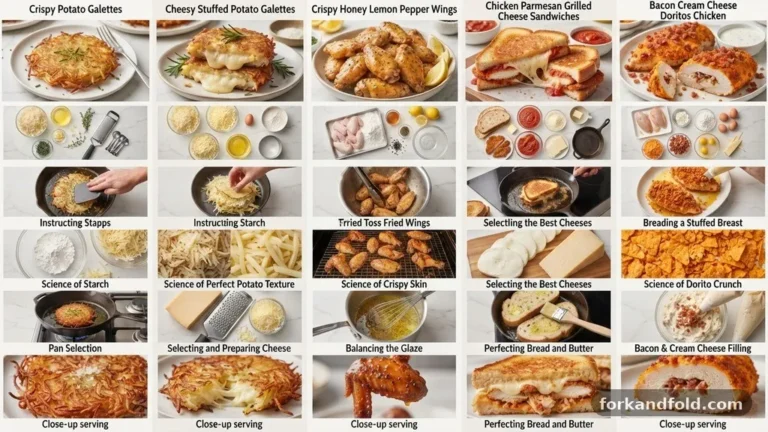
Ultimate BBQ Feast Platter,Ultimate BBQ Feast Platter
Crafting an ultimate BBQ Feast Platter,Ultimate BBQ Feast Platter requires a balance of timing, temperature control, and high-quality ingredients. Whether you are hosting a summer gathering or a casual backyard get-together, a well-curated spread brings people together through shared tastes and textures.
By mastering a few key proteins and pairing them with acidic, crunchy sides, you can transform a simple meal into a memorable event. You will learn how to coordinate various cooking times to ensure everything hits the table at the perfect moment, creating a dining experience that feels professional yet personal.
- Prep time: 15 minutes
- Cook time: 30 minutes
- Total time: 45 minutes
- Servings: 4
Ingredients

- 2 pounds smoked brisket, sliced against the grain
- 1 rack of baby back ribs, membrane removed
- 1 pound pulled pork, seasoned with dry rub
- 1 cup high-quality hickory-infused bbq sauce
- 2 cups creamy coleslaw with apple cider vinegar
- 1 cup spicy bread-and-butter pickles
- 4 thick slices of grilled sourdough bread
- 1 tablespoon kosher salt
- 1 tablespoon cracked black pepper
- 1 tablespoon smoked paprika
- 2 cloves garlic, minced
Instructions
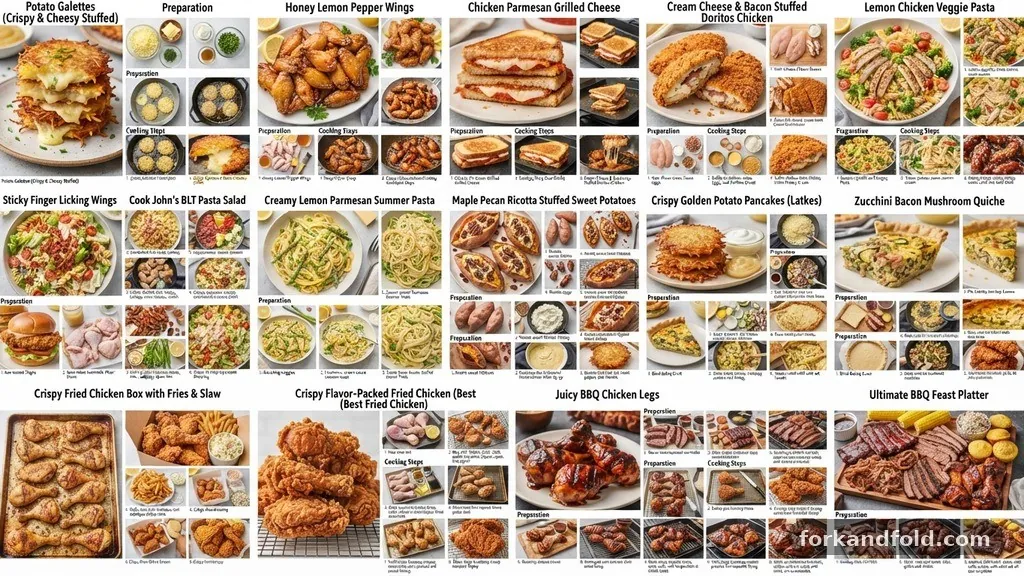
- Preheat your grill to a steady medium heat, aiming for approximately 350 degrees Fahrenheit.
- Rub the rack of ribs with the mixture of salt, pepper, and paprika to ensure a deep, savory crust.
- Place the ribs on the indirect heat zone of the grill and cover, allowing them to cook for about 25 minutes.
- Brush the ribs generously with your chosen bbq sauce during the final 5 minutes to caramelize the sugars without burning them.
- Warm the pre-cooked brisket and pulled pork in a foil pan on the cooler side of the grill for 10 minutes until heated through.
- Grill the sourdough slices for 1 to 2 minutes per side until they develop distinct char marks and a crisp texture.
- Arrange the brisket, ribs, and pork on a large wooden board or serving platter.
- Garnish the meats with the pickles and place the coleslaw in a small bowl to prevent it from wilting against the hot proteins.
- Serve immediately while the meat remains juicy and the bread is still warm.
Tips
- Substitute the brisket for smoked sausage if you prefer a faster cooking time or a different texture profile.
- Prepare the coleslaw the night before to allow the flavors to meld, but hold off on adding the dressing until just before serving.
- Keep your meat moist by wrapping leftovers tightly in foil and reheating them at a low temperature to prevent drying out.
- Avoid the common mistake of overcrowding your grill, as this leads to uneven cooking and prevents that essential char.
- Store any extra bbq sauce in an airtight container in the refrigerator for up to one week for future meals.
Selecting the Best Cuts for Your Spread
Choosing the right base for your platter dictates the overall success of the meal. Brisket remains a gold standard for many, as its rich, intramuscular fat renders down into a tender, melt-in-your-mouth experience. When selecting your beef, look for a deep red color and firm, white fat caps that indicate freshness and quality.
Pork is equally important, particularly when you opt for a combination of ribs and shredded shoulder. Ribs provide a tactile, interactive element to the meal, while pulled pork offers a softer, more versatile option that pairs beautifully with crunchy toppings. You can find more information on food safety and handling at the United States Department of Agriculture website to ensure your proteins are sourced and stored correctly.
Remember that variety is the cornerstone of a successful feast. By offering a mix of textures—from the bark on a smoked rib to the tenderness of slow-cooked brisket—you cater to a wider range of preferences among your guests. Always aim to source your meats from a reputable butcher who can provide cuts with the right thickness for grilling.
Balancing Flavors with Acid and Crunch
While the meat acts as the star, the supporting cast of sides is what truly brings the platter to life. A heavy, meat-focused meal needs acidity to cut through the richness of the animal fats. Pickles are non-negotiable here; their sharp vinegar bite provides a necessary palate cleanser between bites of smoky, savory brisket.
Coleslaw serves a similar purpose, especially when dressed with a vinaigrette rather than a heavy mayonnaise base. The crunch of fresh cabbage, combined with the brightness of apple cider vinegar, balances the deep, earthy tones of your bbq sauce. You might even consider adding sliced raw onions or jalapeños to provide a fresh, spicy kick that elevates the profile of the entire dish.
Never underestimate the power of bread on a platter. Grilling your bread—whether it is thick-cut sourdough or traditional cornbread—adds a layer of texture that keeps the meal interesting. It serves as a vessel for any stray juices or sauce, ensuring that not a single drop of flavor goes to waste.
Mastering the Art of the Grill
Temperature control is the difference between a dry, tough piece of meat and a succulent, restaurant-quality result. Investing in a reliable digital thermometer will save you from the guesswork of judging doneness by touch. You want your proteins to reach an internal temperature that renders the connective tissue without drying out the muscle fibers.
Use a two-zone setup on your grill to manage the heat effectively. By keeping the coals or burners on one side, you create an area for searing and a separate area for gentle, indirect cooking. This allows you to develop a dark, flavorful crust on the outside of your ribs while ensuring the interior stays juicy and tender throughout.
Consistency is key when working with multiple items simultaneously. Keep a close watch on the timing, as different meats require different attention spans. By staggering the items on the grill, you ensure that everything finishes at the same time, allowing you to assemble your feast while the ingredients are at their peak temperature.
Developing a Signature Flavor Profile
The secret to a truly great platter lies in the layering of seasonings. A dry rub applied well in advance allows the salt to penetrate the meat, while the spices create a fragrant, smoky exterior. Consider using a blend of paprika for color, garlic powder for depth, and brown sugar to help create that desirable, caramelized bark.
Your choice of sauce should complement rather than mask the natural flavor of the meat. A thin, vinegar-based sauce works wonders on pork, while a thicker, molasses-heavy sauce is a classic match for beef. Experimenting with different wood chips—like hickory for intensity or apple for a subtle, fruity sweetness—can add another dimension to your cooking.
Do not be afraid to customize your rub based on the specific type of meat you are preparing. Brisket often benefits from a heavy hand with coarse black pepper, while ribs can handle a bit more sweetness. When you treat each component with individual care, the final result feels cohesive and intentional rather than thrown together.
Serving for a Crowd
When you are serving a group, presentation becomes just as important as taste. A large, rustic wooden board acts as a natural frame for the food, making the platter feel like a centerpiece. Arrange the items in a way that allows guests to easily grab their portions without disrupting the entire display.
Think about the flow of the table. Place the sauces in accessible bowls and ensure there are enough serving utensils for each item.
This prevents cross-contamination and makes the dining experience more comfortable for everyone involved. You want your guests to feel invited to dig in, rather than intimidated by a messy or chaotic setup.
Keep extra sides and bread in reserve in the kitchen. It is always better to have a bit too much than to run out during the height of the festivities. By keeping the main platter refreshed, you maintain the aesthetic appeal of the meal from the first guest to the last.
FAQ
What is the best way to keep meat warm while preparing the rest of the platter?
You can wrap the cooked meat tightly in butcher paper or heavy-duty aluminum foil. Placing the wrapped meat in an insulated cooler without any ice acts as a makeshift warming box, holding the heat for an hour or more while you finish the other components.
How much meat should I calculate per person for a party?
A good rule of thumb is to plan for about half a pound of cooked meat per adult guest. If you are serving a variety of meats, you can adjust this slightly downward, as people tend to sample a bit of everything rather than eating a large portion of one single item.
Can I prepare the meat the day before?
Yes, smoking or slow-cooking the meat in advance can actually improve the flavor as the spices have more time to penetrate. Simply reheat the meat gently in an oven or on the grill, adding a splash of broth or water to keep it hydrated, before serving.
What are the essential tools for a perfect BBQ platter?
A high-quality pair of long-handled tongs, a sturdy basting brush for your sauces, and a reliable digital meat thermometer are your most important assets. Having a sharp carving knife for the brisket is also essential to ensure you get clean, beautiful slices every time.
How do I achieve that professional-looking smoke ring?
The smoke ring is a chemical reaction between nitrogen dioxide in the smoke and the myoglobin in the meat. To encourage it, start with cold meat, keep your fire low and steady, and ensure you are using real wood rather than just charcoal or gas.
Conclusion
Building the ultimate BBQ Feast Platter,Ultimate BBQ Feast Platter is a rewarding process that combines technique with creativity. By focusing on the quality of your ingredients, managing your temperatures with care, and balancing rich proteins with bright, acidic sides, you create an experience that goes beyond a simple meal. This approach ensures that every element on the board serves a purpose, contributing to a harmonious and satisfying feast.
Whether you are a seasoned griller or a newcomer to the craft, the joy of sharing such a meal with friends and family remains unmatched. Start with these basics, experiment with your own favorite rubs and sauces, and enjoy the process of perfecting your own version of this classic spread.
Ultimate BBQ Feast Platter,Ultimate BBQ Feast Platter
Crafting an ultimate BBQ Feast Platter,Ultimate BBQ Feast Platter requires a balance of timing, temperature control, and high-quality ingredients.
Ingredients
- 2 pounds smoked brisket, sliced against the grain
- 1 rack of baby back ribs, membrane removed
- 1 pound pulled pork, seasoned with dry rub
- 1 cup high-quality hickory-infused bbq sauce
- 2 cups creamy coleslaw with apple cider vinegar
- 1 cup spicy bread-and-butter pickles
- 4 thick slices of grilled sourdough bread
- 1 tablespoon kosher salt
- 1 tablespoon cracked black pepper
- 1 tablespoon smoked paprika
- 2 cloves garlic, minced
Instructions
- Preheat your grill to a steady medium heat, aiming for approximately 350 degrees Fahrenheit.
- Rub the rack of ribs with the mixture of salt, pepper, and paprika to ensure a deep, savory crust.
- Place the ribs on the indirect heat zone of the grill and cover, allowing them to cook for about 25 minutes.
- Brush the ribs generously with your chosen bbq sauce during the final 5 minutes to caramelize the sugars without burning them.
- Warm the pre-cooked brisket and pulled pork in a foil pan on the cooler side of the grill for 10 minutes until heated through.
- Grill the sourdough slices for 1 to 2 minutes per side until they develop distinct char marks and a crisp texture.
- Arrange the brisket, ribs, and pork on a large wooden board or serving platter.
- Garnish the meats with the pickles and place the coleslaw in a small bowl to prevent it from wilting against the hot proteins.
- Serve immediately while the meat remains juicy and the bread is still warm.
Similar Posts
Crispy Fried Chicken Box With Fries Coleslaw,Fried Chicken Box with Fries & Slaw
Preparing a homemade crispy fried chicken box with fries coleslaw,fried chicken box with fries & slaw is the ultimate way to satisfy those cravings for classic comfort food. By mastering the delicate balance of a crunchy exterior and juicy, tender meat, you can create a meal that rivals your favorite local takeout spot. This guide…
Maple Pecan Ricotta Stuffed Sweet Potatoes With Cranberry Glaze,Stuffed Sweet Potatoes with Maple Pecan
Preparing a batch of Maple Pecan Ricotta Stuffed Sweet Potatoes With Cranberry Glaze,Stuffed Sweet Potatoes with Maple Pecan is the perfect way to highlight seasonal produce in a single, elegant dish. These oven-roasted sweet potatoes balance the earthy sweetness of root vegetables with creamy, protein-rich cheese and the tart brightness of a homemade fruit reduction….
Old Fashioned Chow Chow Relish,Old Fashioned Chow Chow Relish
Making traditional preserves at home connects us to a simpler time, and mastering the art of Old Fashioned Chow Chow Relish,Old Fashioned Chow Chow Relish is the perfect way to start. This tangy, crunchy condiment is a staple of Southern kitchens, prized for its ability to cut through rich meats or brighten a simple bowl…
Crisp Southern Fried Chicken,Southern Fried Chicken Recipe
Mastering the art of a crisp Southern fried chicken,Southern fried chicken recipe requires attention to detail, specifically regarding your oil temperature and the composition of your dredging station. Achieving that iconic, shatteringly thin crust while keeping the meat succulent inside is the hallmark of a great cook. By following a few traditional techniques, you can…
Crispy Buttermilk Chicken Sandwich,Crispy Buttermilk Chicken Sandwich
Mastering a restaurant-quality crispy buttermilk chicken sandwich, crispy buttermilk chicken sandwich at home is an achievable feat for any kitchen enthusiast. By balancing the acidity of the dairy marinade with a perfectly seasoned flour dredge, you can recreate that craveable crunch and tender interior found in the best versions of this classic comfort food. This…
Cream Cheese And Bacon Stuffed Doritos Chicken,Bacon Cream Cheese Doritos Chicken
Creating a meal that balances crunch, creaminess, and savory depth is the hallmark of a great home cook. The combination of cream cheese and bacon stuffed Doritos chicken, or bacon cream cheese Doritos chicken, offers a bold flavor profile that transforms simple poultry into a decadent main course. By wrapping tender meat in a vibrant,…