
Creamy Lemon Parmesan Summer Pasta,Creamy Lemon Parmesan Pasta
Choosing a vibrant dish for a warm evening is simple when you master the art of making a Creamy Lemon Parmesan Summer Pasta,Creamy Lemon Parmesan Pasta. This meal captures the essence of sunshine in a bowl, balancing the bright acidity of citrus with the rich, savory depth of aged cheese. It is the perfect weeknight solution for anyone craving a restaurant-quality dinner that comes together in under an hour.
By focusing on high-quality ingredients and the emulsion technique, you will achieve a velvety sauce that coats every strand of noodles perfectly. If you are looking for a reliable way to prepare a Creamy Lemon Parmesan Summer Pasta,Creamy Lemon Parmesan Pasta that impresses guests and satisfies the family, this method is your best bet.
- Prep time: 15 minutes
- Cook time: 30 minutes
- Total time: 45 minutes
- Servings: 4
- Calories: 420 per serving
Ingredients
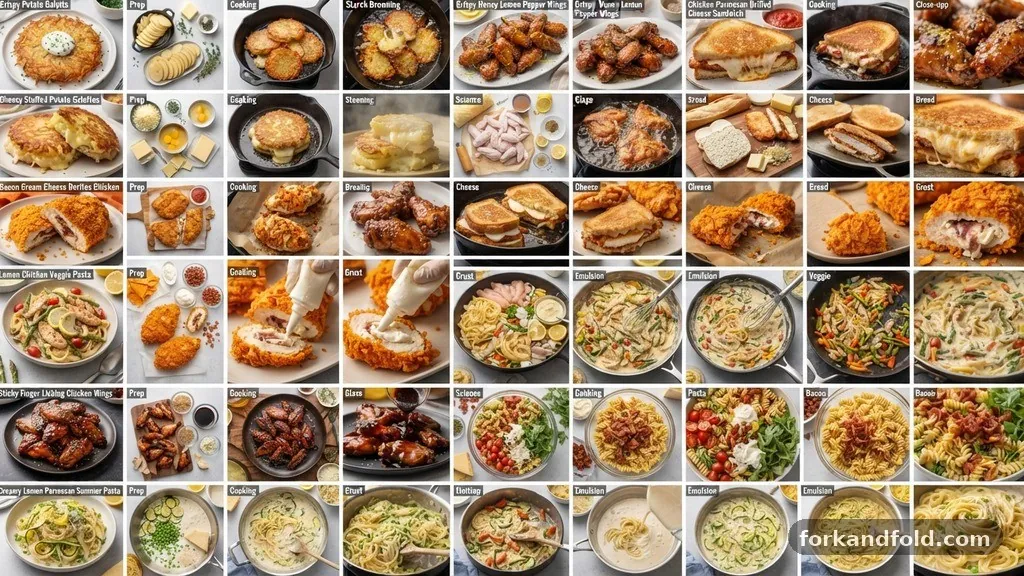
- 1 pound dried spaghetti or linguine
- 3 tablespoons unsalted butter
- 2 tablespoons extra virgin olive oil
- 4 cloves garlic, minced
- 1 cup heavy cream
- 1 cup freshly grated parmesan cheese
- 2 tablespoons fresh lemon zest
- 3 tablespoons fresh lemon juice
- 1/2 teaspoon freshly cracked black pepper
- 1/2 teaspoon sea salt
- 1/4 teaspoon red pepper flakes
- 1/2 cup reserved pasta water
Instructions
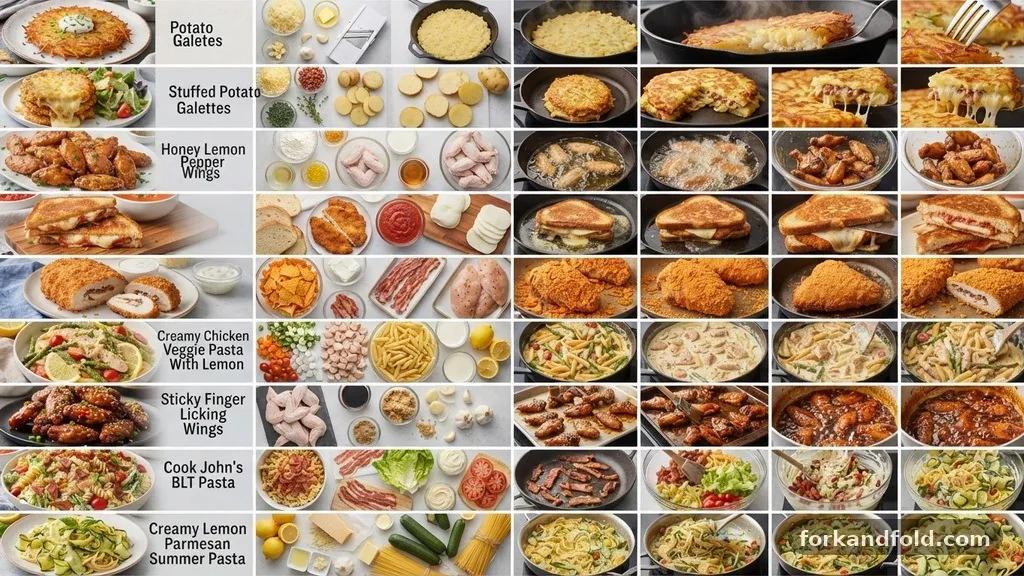
- Bring a large pot of heavily salted water to a rolling boil over high heat.
- Add the pasta to the boiling water and cook according to the package directions until it reaches an al dente texture.
- Reserve exactly one cup of the starchy pasta water before draining the noodles, as this liquid is crucial for binding the sauce.
- While the pasta cooks, place a large skillet or wide pan over medium heat and add the butter and olive oil.
- Sauté the minced garlic in the fat until it becomes fragrant and soft, ensuring it does not brown or burn, which takes about two minutes.
- Pour the heavy cream into the pan and bring the mixture to a gentle simmer, allowing it to bubble for three minutes until it thickens slightly.
- Whisk in the freshly grated parmesan cheese, stirring constantly until the cheese melts into a smooth, emulsified state.
- Add the lemon zest, lemon juice, salt, black pepper, and red pepper flakes to the pan, whisking to combine the flavors thoroughly.
- Transfer the cooked pasta directly into the skillet with the sauce using tongs.
- Stir the pasta vigorously, adding small splashes of the reserved pasta water as needed to loosen the sauce until it clings to the strands with a glossy finish.
- Remove from the heat immediately once the pasta is coated to prevent the sauce from breaking or becoming too thick.
- Serve the meal immediately in warmed bowls, perhaps garnished with extra cheese or a pinch of fresh herbs.
The Science of Emulsification
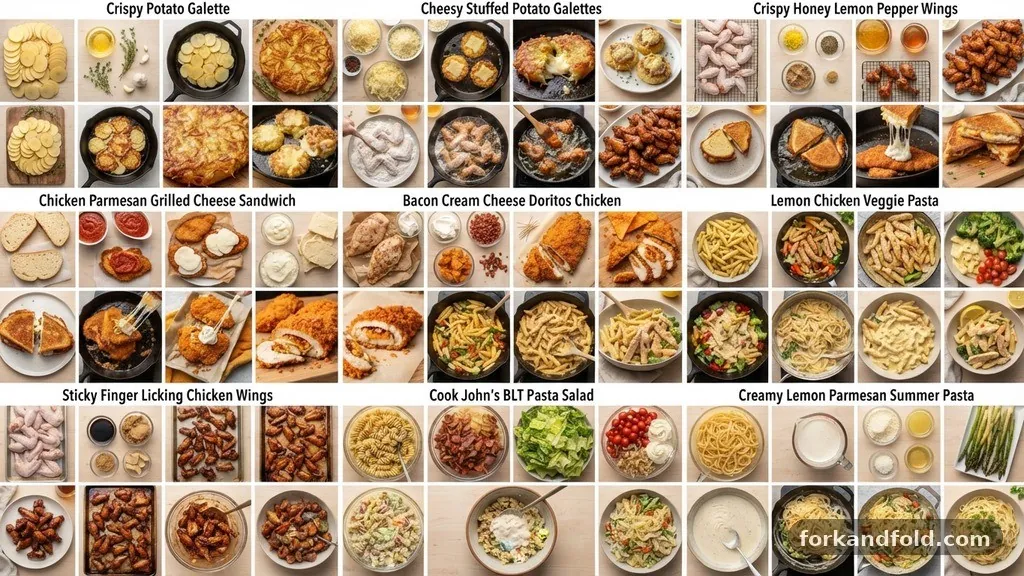
The secret to a truly luxurious sauce lies in the chemistry between fat, cheese, and starch. When you combine the heavy cream with the parmesan, you are creating a stable suspension that needs the starchy pasta water to fully integrate.
The starch molecules from the water act as a stabilizer, preventing the cheese from clumping or separating into oily pools. This is why you should never skip the step of reserving the water before draining your noodles.
Achieving the right consistency requires careful attention to the heat levels in your pan. If the pan is too hot, the proteins in the cheese will seize up and create a stringy texture rather than a smooth, whipped finish.
Always keep the heat at a low to medium setting when adding the cheese to ensure it melts gently into the cream. If the sauce looks too thick, a tablespoon of extra pasta water will usually correct the texture instantly.
Selecting Quality Ingredients
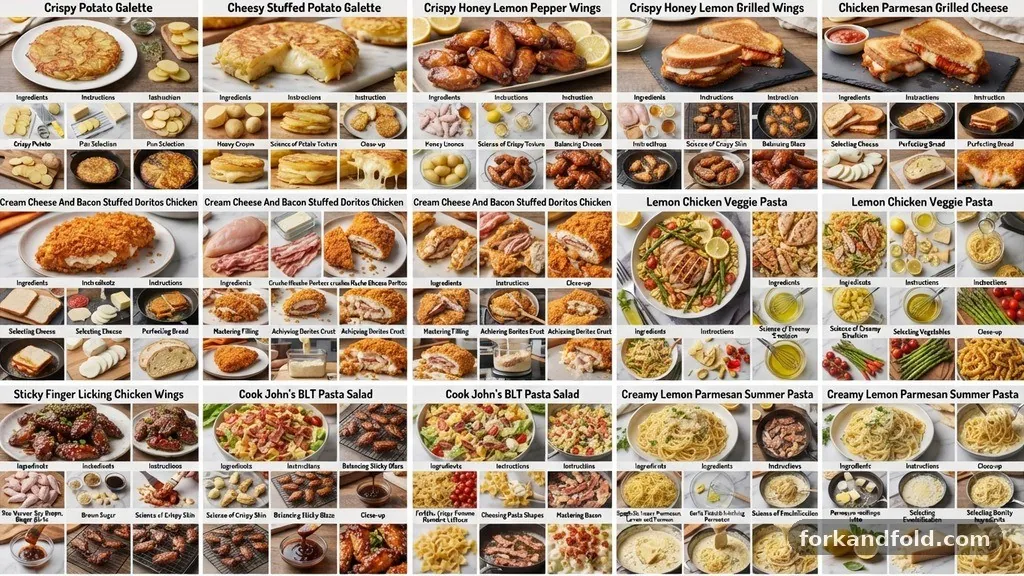
Because this dish relies on so few components, the quality of each item significantly impacts the final result. Always prioritize freshly grated parmesan cheese over the pre-shredded variety found in bags.
Pre-shredded cheese is coated in cellulose to prevent clumping, which prevents it from melting into a creamy sauce effectively. Use a microplane or a fine grater to get the cheese into a fluffy, light consistency that disappears into the sauce.
The lemon component should always come from fresh fruit rather than bottled juice. Bottled versions often contain preservatives that alter the clean, sharp profile required for a balanced citrus pasta.
You can learn more about proper citrus preparation and storage through the FDA guidelines on fresh produce. Zesting the lemon before juicing it is a vital step, as the oils in the skin provide the most aromatic impact to the dish.
Mastering the Pasta Texture
The texture of your noodles is just as important as the sauce itself. Aiming for al dente means the pasta should have a slight resistance to the bite, which is achieved by pulling it out of the water about a minute before the package instructions recommend.
Since the pasta will continue to cook briefly in the hot sauce, this timing prevents it from becoming mushy. You want the noodles to absorb the sauce rather than sit in a pool of liquid.
If you find that your sauce is not sticking well, it is likely because the pasta was drained too thoroughly or the water lacked enough starch. To maximize starch content, use a smaller amount of water to boil your noodles than usual.
A more concentrated starch solution in the pasta water creates a more effective binder for the dairy-based sauce. This simple adjustment often makes the difference between a thin, watery dish and a restaurant-style coating.
Flavor Variations and Additions
While the base recipe is delicious, you can adapt it to suit different seasonal preferences. For a heartier meal, consider adding sautéed chicken breast or pan-seared shrimp during the final stages of tossing the pasta.
If you want to introduce more color, stir in a handful of fresh baby spinach or chopped parsley right before serving. The residual heat from the pasta will wilt the greens perfectly without making them soggy.
For those who enjoy a bit more heat, increasing the amount of red pepper flakes adds a nice contrast to the richness of the cream. You can also experiment with different types of pasta shapes, such as fettuccine or pappardelle, which have more surface area to hold the sauce. Always remember that the goal is to enhance the core lemon and parmesan profile, so avoid adding ingredients that might overpower those delicate, bright flavors.
Common Mistakes to Avoid
One of the most frequent errors in making a Creamy Lemon Parmesan Summer Pasta,Creamy Lemon Parmesan Pasta is rushing the emulsion process. Adding all the cheese at once can lead to uneven melting and potential clumping if the temperature isn’t perfectly controlled.
Sprinkle the cheese in small batches, stirring constantly until each addition is fully incorporated into the mixture. This patient approach ensures a consistent, silky texture across the entire batch.
Another common pitfall is over-salting the sauce. Since parmesan cheese is naturally quite salty, you should be conservative when adding extra sea salt at the beginning.
It is much easier to adjust the seasoning at the end after you have tasted the finished dish. Always keep in mind that the pasta water, if salted heavily during the boiling process, will also contribute significant salinity to the final meal.
FAQ
How can I make the sauce thinner?
If your sauce becomes too thick, simply add an extra tablespoon or two of hot pasta water to the pan while tossing. The starch in the water will maintain the creamy consistency while thinning out the mixture to your desired level.
Can I use milk instead of heavy cream?
While you can use whole milk, the result will be much thinner and less rich because milk lacks the fat content needed for a stable, velvety sauce. If you must use milk, try whisking in a teaspoon of cornstarch to help thicken the liquid as it simmers.
Why did my cheese turn into a clump?
This usually happens if the heat is too high or if the cheese is added all at once. Always remove the pan from the heat or lower it to the minimum setting before adding the cheese, and stir it in slowly to ensure it melts smoothly.
Is it possible to make this ahead of time?
This dish is best served immediately because the pasta will absorb the sauce as it cools, leading to a drier consistency. If you must reheat it, add a splash of cream or water to the pan to loosen the sauce before warming it over low heat.
What is the best way to zest a lemon?
Use a microplane grater to remove only the yellow skin, avoiding the bitter white pith underneath. Rotate the lemon as you zest to ensure you get the most flavorful, aromatic parts of the peel without any unwanted bitterness.
Conclusion
Creating a perfect Creamy Lemon Parmesan Summer Pasta,Creamy Lemon Parmesan Pasta is a rewarding experience that highlights how simple ingredients can yield sophisticated results. By focusing on the emulsion of high-quality cheese, cream, and starchy pasta water, you elevate a standard meal into a memorable dinner. The bright, zesty notes of the lemon combined with the savory richness of parmesan create an ideal balance for any occasion.
Once you master these basic techniques, you will find yourself returning to this reliable recipe throughout the warmer months. Feel free to experiment with your favorite herbs or proteins to make this dish your own. We would love to hear how your version turned out, so please share your thoughts or any creative twists you decided to add.
Creamy Lemon Parmesan Summer Pasta,Creamy Lemon Parmesan Pasta
Choosing a vibrant dish for a warm evening is simple when you master the art of making a Creamy Lemon Parmesan Summer Pasta, Creamy Lemon Parmesan Pasta. This meal captures the essence of sunshine in a bowl, balancing the bright acidity of citrus with the rich, savory depth of aged cheese.
Ingredients
- 1 pound dried spaghetti or linguine
- 3 tablespoons unsalted butter
- 2 tablespoons extra virgin olive oil
- 4 cloves garlic , minced
- 1 cup heavy cream
- 1 cup freshly grated parmesan cheese
- 2 tablespoons fresh lemon zest
- 3 tablespoons fresh lemon juice
- 1/2 teaspoon freshly cracked black pepper
- 1/2 teaspoon sea salt
- 1/4 teaspoon red pepper flakes
- 1/2 cup reserved pasta water
Instructions
- Bring a large pot of heavily salted water to a rolling boil over high heat .
- Add the pasta to the boiling water and cook according to the package directions until it reaches an al dente texture.
- Reserve exactly one cup of the starchy pasta water before draining the noodles, as this liquid is crucial for binding the sauce.
- While the pasta cooks, place a large skillet or wide pan over medium heat and add the butter and olive oil.
- Sauté the minced garlic in the fat until it becomes fragrant and soft, ensuring it does not brown or burn, which takes about two minutes.
- Pour the heavy cream into the pan and bring the mixture to a gentle simmer, allowing it to bubble for three minutes until it thickens slightly.
- Whisk in the freshly grated parmesan cheese, stirring constantly until the cheese melts into a smooth, emulsified state.
- Add the lemon zest, lemon juice, salt, black pepper, and red pepper flakes to the pan, whisking to combine the flavors thoroughly.
- Transfer the cooked pasta directly into the skillet with the sauce using tongs.
- Stir the pasta vigorously, adding small splashes of the reserved pasta water as needed to loosen the sauce until it clings to the strands with a glossy finish.
- Remove from the heat immediately once the pasta is coated to prevent the sauce from breaking or becoming too thick.
- Serve the meal immediately in warmed bowls, perhaps garnished with extra cheese or a pinch of fresh herbs.
Similar Posts
Chicken Parmesan Grilled Cheese Sandwich,Chicken Parmesan Grilled Cheese
Combining the comfort of a classic grilled cheese with the bold, savory flavors of a crispy Italian dinner creates a Chicken Parmesan Grilled Cheese Sandwich,Chicken Parmesan Grilled Cheese masterpiece. This fusion dish takes everything you love about a traditional parm dinner and transforms it into a portable, buttery, and incredibly indulgent toasted sandwich. It is…
Honey Lemon Pepper Wings,Crispy Honey Lemon Pepper Wings
Achieving the perfect balance of sweet, tangy, and savory flavors makes Honey Lemon Pepper Wings,Crispy Honey Lemon Pepper Wings a standout choice for any gathering. These wings rely on a careful combination of high-heat cooking and a sticky, bright glaze to ensure every bite is packed with depth. Whether you prefer them baked or fried,…
Potato Galettes,Crispy Potato Galette Recipe
Mastering the art of a perfect potato galette,Crispy Potato Galette Recipe requires patience and a focus on technique. These golden, buttery potato cakes offer a sophisticated side dish that pairs beautifully with roasted meats or a crisp green salad. By focusing on thinly sliced potatoes and consistent heat, you can achieve a texture that is…
Crispy Fried Chicken Box With Fries Coleslaw,Fried Chicken Box with Fries & Slaw
Preparing a homemade crispy fried chicken box with fries coleslaw,fried chicken box with fries & slaw is the ultimate way to satisfy those cravings for classic comfort food. By mastering the delicate balance of a crunchy exterior and juicy, tender meat, you can create a meal that rivals your favorite local takeout spot. This guide…
Cook Johns BLT Pasta,Cook John’s BLT Pasta Salad
If you are looking for a satisfying meal that captures the essence of a classic sandwich in a new form, Cook Johns BLT Pasta,Cook John’s BLT Pasta Salad is the perfect solution. This dish merges the crispy, salty notes of bacon with the cool, refreshing crunch of garden-fresh greens and ripe tomatoes. It works equally…
Crispy Chicken Drumsticks Oven Baked,Crispy Oven Baked Chicken Drumsticks
Achieving perfectly golden, crunchy skin on poultry without deep frying is a culinary goal for many home cooks. When you master the technique for Crispy Chicken Drumsticks Oven Baked,Crispy Oven Baked Chicken Drumsticks, you gain a reliable, healthy, and delicious meal that satisfies cravings for texture and flavor. By focusing on moisture reduction and proper…