15 Sticky Finger-Licking Chicken Wings to Try
Introduction to Sticky Finger-Licking Wings
Sticky Finger-Licking Wings bring people together at casual gatherings, game days, and family dinners with their irresistible messiness and bold, glaze-coated appeal. You will find a curated collection of fifteen distinct recipes covering sweet, savory, and fiery flavor profiles designed to satisfy every craving.
Success depends entirely on combining an ultra-crispy exterior with a rich sauce that clings to every single bite. Typical practice suggests planning for approximately 5 wings per person when hosting guests. Dive in to discover your next favorite glaze, whether you prefer traditional barbecue, fiery gochujang, or a sticky sweet glaze.
Understanding the Anatomy of Perfect Sticky Wing Sauce
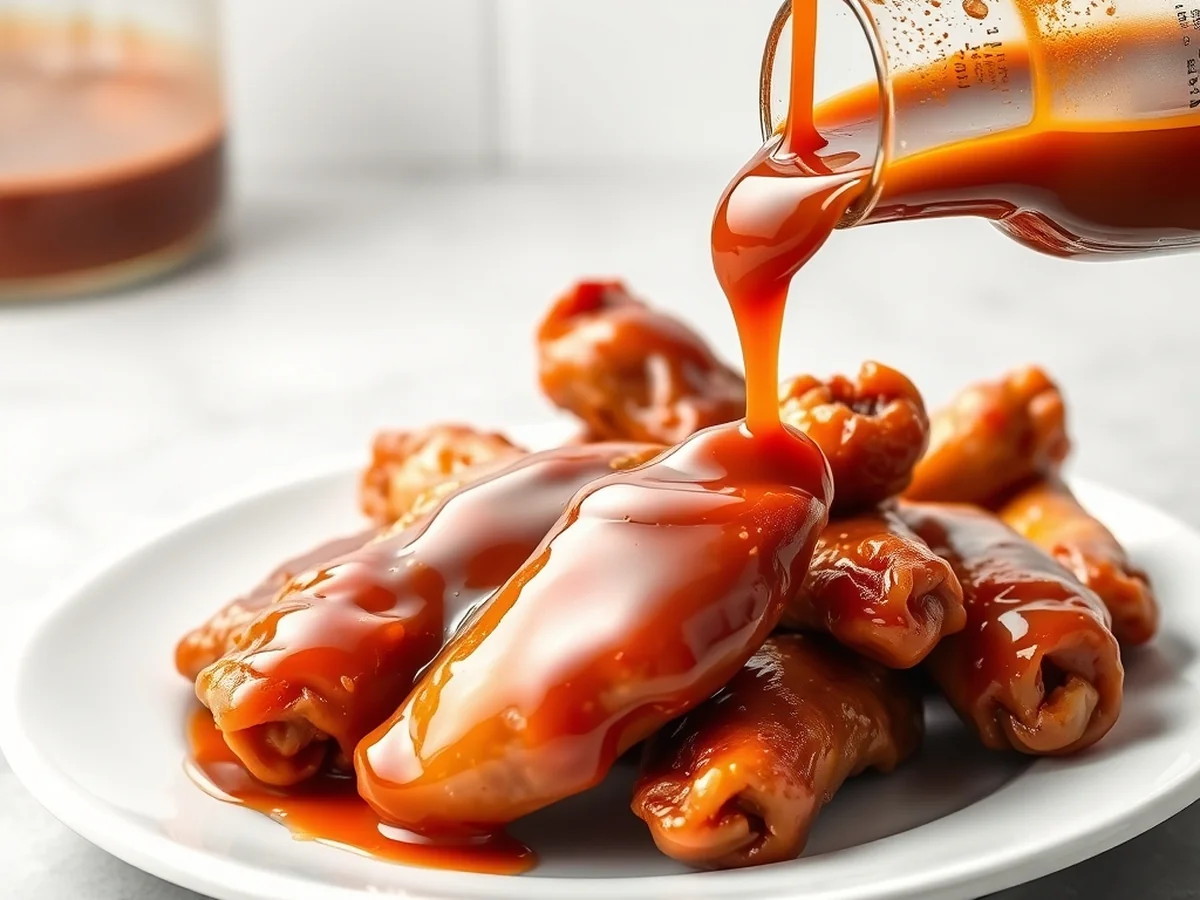
Mastering a great glaze for sticky finger-licking wings requires precise sugar ratios and proper viscosity so the mixture clings to the poultry instead of pooling at the bottom of the serving plate. Sugar acts as the primary thickening agent, transforming into a glossy syrup as water evaporates over heat. When preparing a reliable sticky wing sauce recipe, understanding how sugar caramelizes helps prevent a burnt coating while ensuring maximum adherence to every piece of chicken wings.
Too much sugar makes the coating cloying, which is why balancing elements are essential. Vinegar, citrus juice, and hot peppers cut through the heavy sweetness, while ingredients like soy sauce add deep umami notes that ground the flavor profile. This balance is especially important when exploring flavor variations like spicy sweet sticky wings or complex profiles featuring gochujang and honey garlic glaze. If you are planning for a gathering, official guidance notes that the recipe serves 6 people, with typical practice suggesting approximately 5 wings per person.
Simmering times dictate whether your sauce succeeds or fails. Cook the liquid over medium-low heat until it reduces enough to coat the back of a spoon without running. One common mistake is rushing this process over high heat, which scorches the sugars before the water fully evaporates. Testing the thickness beforehand ensures your homemade batch rivals restaurant style winger’s sticky fingers replication methods without becoming overly heavy or watery.
- Watch the bubbling liquid closely during the final minutes of reduction to prevent burning the sugars.
- Remove the pan from the heat source immediately once the glaze thickens into a glossy, coating consistency.
- Test the consistency on a single cooked piece of poultry before tossing the entire batch.
Achieving the Ultimate Crispy Texture Before Saucing

Getting that shattering crunch that stands up to heavy glazes starts with proper moisture removal. When making Sticky Finger-Licking Wings for a gathering that serves 6 people, getting the skin right ensures the coating clings properly instead of sliding off. Typical practice suggests planning for approximately 5 wings per person, making surface prep a priority before tossing your chicken wings into a sticky wing sauce recipe.
Surface Moisture Removal
Patting the chicken wings completely dry with paper towels is the single most important step before seasoning. Surface moisture creates steam during cooking, which ruins the crispiness. Whether you prefer a classic barbecue sauce or a bold gochujang glaze, dry skin acts as the ultimate anchor for any honey garlic glaze or spicy sweet sticky wings.
Choosing Your Cooking Method
When preparing this dish, you can choose between a few reliable cooking methods. A deep fryer delivers traditional restaurant results with rapid heat. Alternatively, an air fryer circulates heat efficiently for a lighter approach, while a baking sheet lined with wire racks works well in a standard oven to let fat drip away from the chicken wings.
Avoiding Common Prep Mistakes
A common mistake during preparation is overcrowding the cooking vessel, which traps steam and leads to soggy skin. Another pitfall is skipping the resting phase after cooking. Letting the chicken rest on a wire rack for a few minutes allows the skin to set before tossing in your sauce. No matter which method you pick, checking internal temperatures remains critical. Following USDA food safety guidelines, you must ensure the chicken reaches a safe internal level before serving.
Fifteen Essential Sticky Finger-Licking Chicken Wing Styles
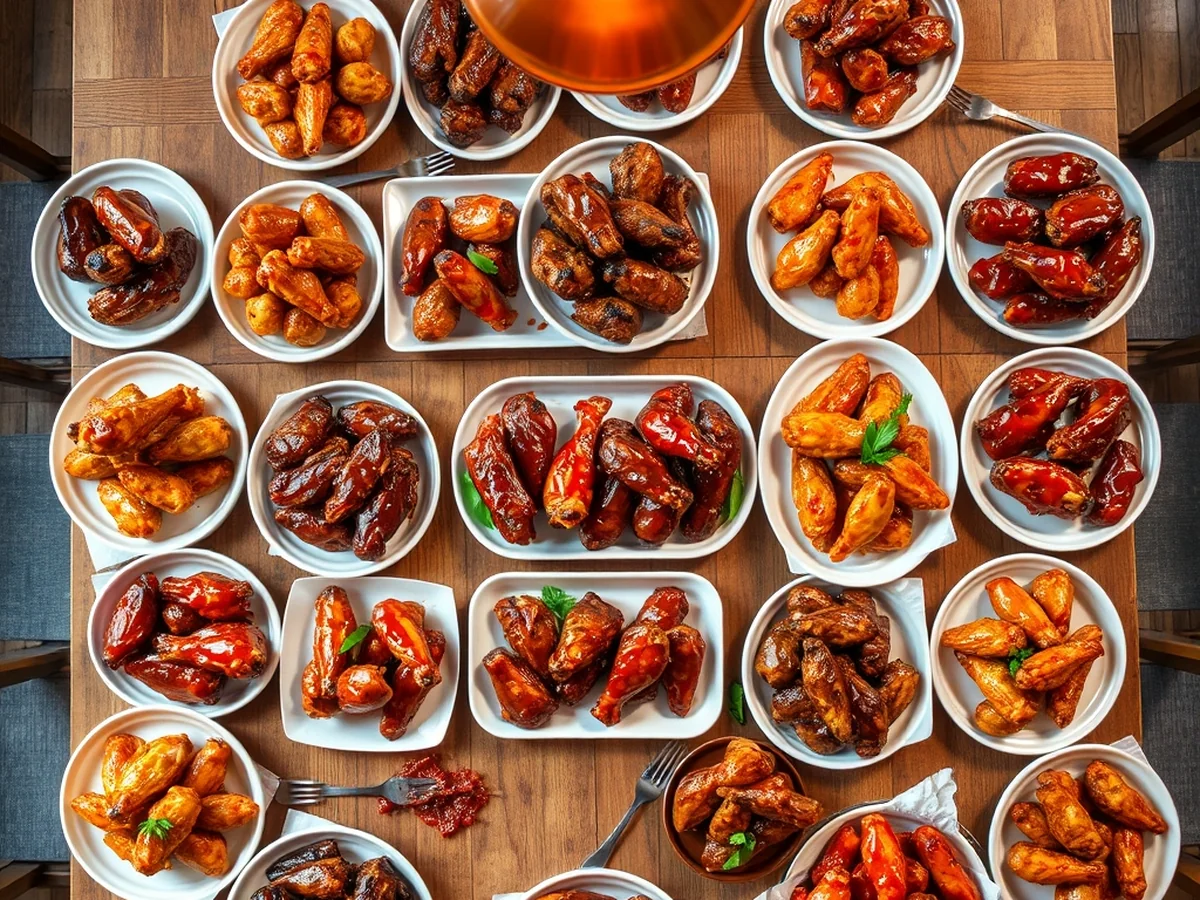
Home cooks exploring sticky finger-licking wings can choose from fifteen distinct recipes, ranging from mild honey garlic glaze to tangy barbecue sauce. Typical practice suggests planning for approximately five wings per person when feeding a group, and the recipe serves 6 people. Achieving the right balance of texture and flavor requires careful attention to cooking methods and sauce consistency.
Mastering Crispy Textures and Sauce Application
Before tossing poultry in any sticky wing sauce recipe, the cooking method dictates how well the coating clings. Home cooks can use a deep fryer or a baking sheet lined with parchment paper to achieve a shatteringly crisp exterior that supports heavy glazes without becoming soggy. Keeping chicken wings dry before cooking prevents steaming, ensuring the skin renders properly. Following USDA food safety guidelines for internal temperatures guarantees that every piece is safe to eat before it meets the sauce bowl.
Exploring Sweet, Savory, and Spicy Profiles
The flavor lineup spans diverse culinary traditions, giving home cooks endless ways to customize game days or family dinners. A mild honey garlic glaze offers a sweet and savory coating that pleases casual eaters. Classic barbecue sauce brings smoky depth with tomato and molasses notes. When learning how to make sticky wings with bolder heat, hot chili glazes combine pepper paste with fruit preserves for a balanced kick. Spicy sweet sticky wings often rely on fermented gochujang paste, garlic, and toasted sesame oil for deep umami.
Recreating Restaurant Favorites at Home
Fans of casual dining often seek out a winger’s sticky fingers recipe to replicate that distinct pub style in their own kitchens. Recreating these favorites involves whisking together brown sugar bourbon styles for a caramel sweetness, or mixing maple mustard for a bright herbal contrast that cuts through rich fried textures. Ghost pepper reductions push heat limits for adventurous guests, while careful simmering ensures the sauce reduces into a thick lacquer that coats every finger without pooling on the plate.
- The mild honey garlic glaze features simmered soy sauce, minced aromatics, and natural bee nectar.
- Classic barbecue sauce brings a thick, smoky tomato foundation that clings tightly to crispy poultry skin.
- Chili infused varieties balance fiery heat with sugary fruit reductions for deep contrast.
- Korean sticky wings showcase fermented gochujang paste, sesame oil, and toasted seeds.
- Maple mustard brings a sharp, earthy tang that cuts through rich fried textures.
- Brown sugar bourbon provides a deep, caramelized finish with subtle oak undertones.
- Ghost pepper styles deliver intense regional heat balanced by citrus notes.
Mastering Korean Sticky Wings at Home
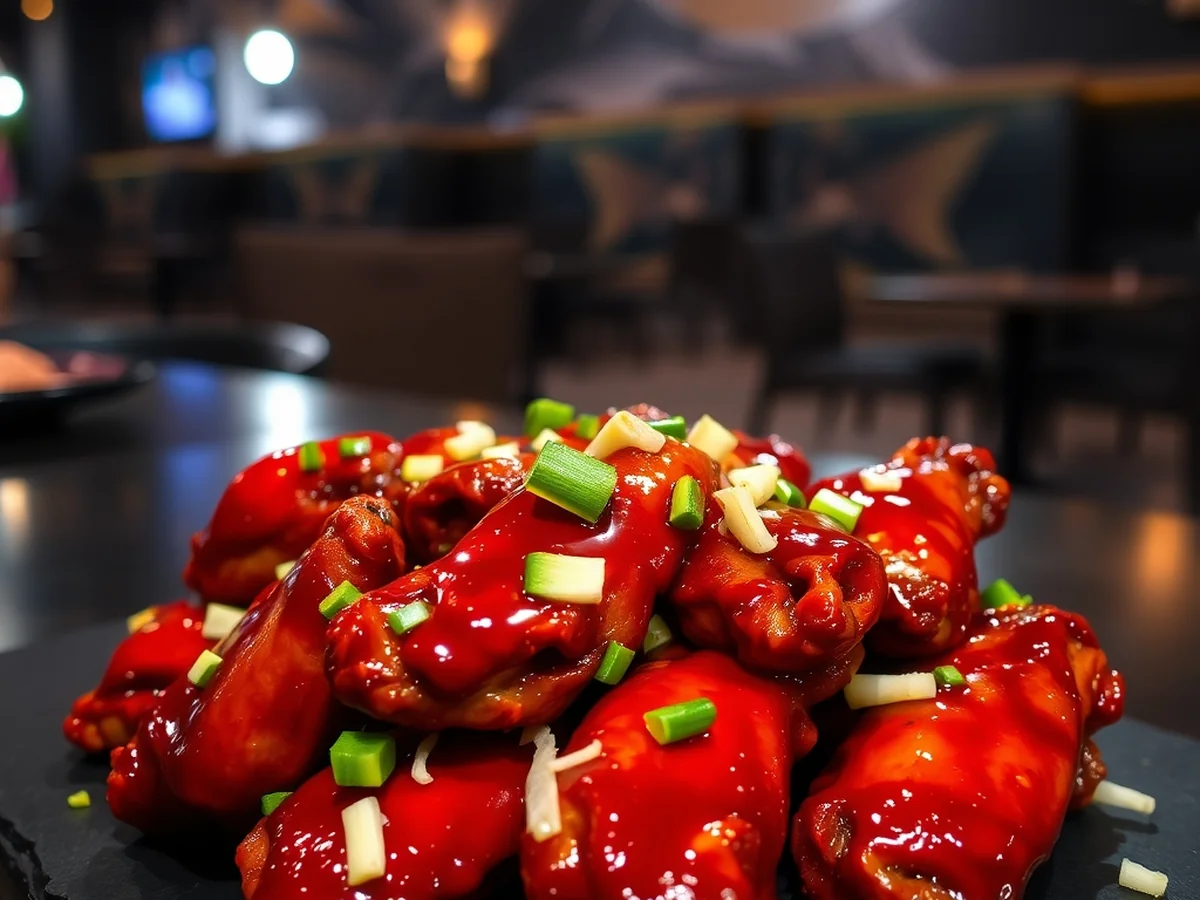
These bold poultry dishes get their character from a fiery and savory blend centered on gochujang, pungent fresh garlic, and warming ginger. This distinct flavor profile balances deep heat with subtle sweetness, making every batch of Sticky Finger-Licking Wings an absolute favorite at gatherings. When you want to replicate restaurant style winger’s sticky fingers in your own kitchen, understanding the mechanics behind the glaze and the crunch makes all the difference.
Achieving authentic crunch requires careful attention to moisture control before cooking begins. Home cooks frequently make the mistake of leaving chicken wings damp, which prevents the skin from crisping properly in a deep fryer or on a baking sheet. Patting the chicken completely dry ensures a better texture that holds up heavy sauces without getting soggy. Creating bowls of poultry with vibrant heat and sugar glazes also relies on balancing your homemade reduction so it clings tightly to the meat rather than pooling at the bottom of the plate.
Coating the meat effectively is where many home cooks stumble. Tossing the chicken while it is still piping hot helps the glaze adhere evenly. Follow these practical steps for the best results:
- Pat every piece of chicken completely dry with paper towels to eliminate surface moisture.
- Cook the poultry thoroughly following standard USDA food safety guidelines to guarantee safe internal temperatures.
- Warm your homemade glaze gently in a separate pan so it thins slightly before hitting the meat.
- Toss the cooked pieces in a large mixing bowl immediately after cooking for a complete, even coating.
When cooking for a group, portion planning is simple. A standard recipe serves 6 people, with common guidance suggesting about 5 wings per person. Finishing touches turn the dish into a visual and textural masterpiece. A generous dusting of toasted sesame seeds and finely sliced scallions adds a nutty crunch and a sharp, fresh bite that cuts through the rich glaze.
Replicating Restaurant Style Winger’s Sticky Fingers

Recreating commercial poultry favorites in a home kitchen relies on matching the exact texture and coating technique of the original dish. Cooks can follow a winger’s sticky fingers recipe to achieve that distinct pub style appeal without leaving the house. The goal is to capture the signature crunch on the outside while keeping the meat tender on the inside, all before tossing the pieces in a rich sauce.
Choosing between boneless strips and traditional bone in chicken pieces changes the preparation method significantly. Boneless cuts usually involve tenderloins or sliced breasts dredged in seasoned flour and fried until golden, while whole joints offer a richer flavor profile from the skin and bone marrow. Whichever cut you choose, maintaining proper oil temperature during cooking prevents the coating from becoming greasy.
Nailing the flavor profile requires mastering the exact sweet and tangy sauce balance. This involves combining sticky sweeteners like honey or brown sugar with acidic elements such as apple cider vinegar, balanced out by savory additions like soy sauce or Worcestershire. When building your homemade glaze for the poultry, simmer the ingredients gently until the mixture thickens enough to coat the back of a spoon properly.
Home cooks preparing this dish often scale quantities based on common party planning guidance. Typical practice suggests preparing approximately 5 wings per person when feeding a crowd, ensuring everyone gets a generous portion. Furthermore, official documentation notes that a standard batch of this style comfortably serves 6 people when paired with classic game day sides.
A frequent pitfall in home kitchens is overcrowding the cooking vessel, which drops the oil temperature and leads to soggy breading. Another common mistake is adding the glaze too early, which softens the crispy exterior before it reaches the table. For the best results, toss the poultry in your savory and sweet pan sauce just moments before serving so the coating clings tightly without losing its crispness.
Balancing Heat and Sugar in Sticky Finger-Licking Wings
Achieving the perfect flavor profile for this style of glazed chicken requires a delicate balance between high-heat ingredients and natural sweeteners. When you prepare a glaze, the goal is to create a reduction that clings to the poultry without turning into a burnt mess. A reliable base often starts with honey, brown sugar, or maple syrup paired with chili components like gochujang or dried flakes. As the sauce reduces over medium heat, the water content evaporates, concentrating the sugars until the glaze reaches a thick, syrupy consistency that coats each piece evenly.
One common mistake home cooks make is using high heat throughout the entire reduction process. Sugar-heavy glazes have a low smoke point and can transition from perfectly sticky to scorched very quickly. To avoid this, simmer your sauce gently once the initial flavors have melded. If you are working with a thin, vinegar-based hot sauce, keep in mind that the acidity levels can cause the mixture to break or separate if it boils too aggressively. Adding a small amount of cornstarch slurry or butter at the end can help emulsify the sauce, ensuring it stays smooth and shiny.
When hosting, planning the volume of your glazed poultry is just as important as the flavor balance. According to standard guidelines for food preparation, a batch of this size serves 6 people. For casual gatherings or game day spreads, a common practice is to estimate approximately 5 wings per person as a baseline. However, you may want to increase this estimate if the pieces are intended to be the main course rather than an appetizer.
Customizing the heat level allows you to cater to different preferences within the same batch. If you are serving a crowd with varying tolerances, consider these adjustments:
- For mild palates: Use sweet bell pepper purees or mild chili flakes to provide color and depth without overwhelming heat.
- For a balanced kick: Incorporate honey garlic glaze as a base, then layer in moderate amounts of sriracha or mild hot sauce.
- For spice enthusiasts: Use concentrated pepper mashes or fresh habaneros, but balance the intensity with extra sugar or fat to keep the flavor profile approachable.
Always keep an eye on the consistency of the glaze. If it becomes too thick before the poultry is finished, a splash of water or fruit juice can loosen the texture. If it remains too thin, continue the reduction process for a few more minutes, stirring constantly to prevent the sugars from caramelizing into a bitter, dark char.
Party-Sized Sticky Finger-Licking Wings
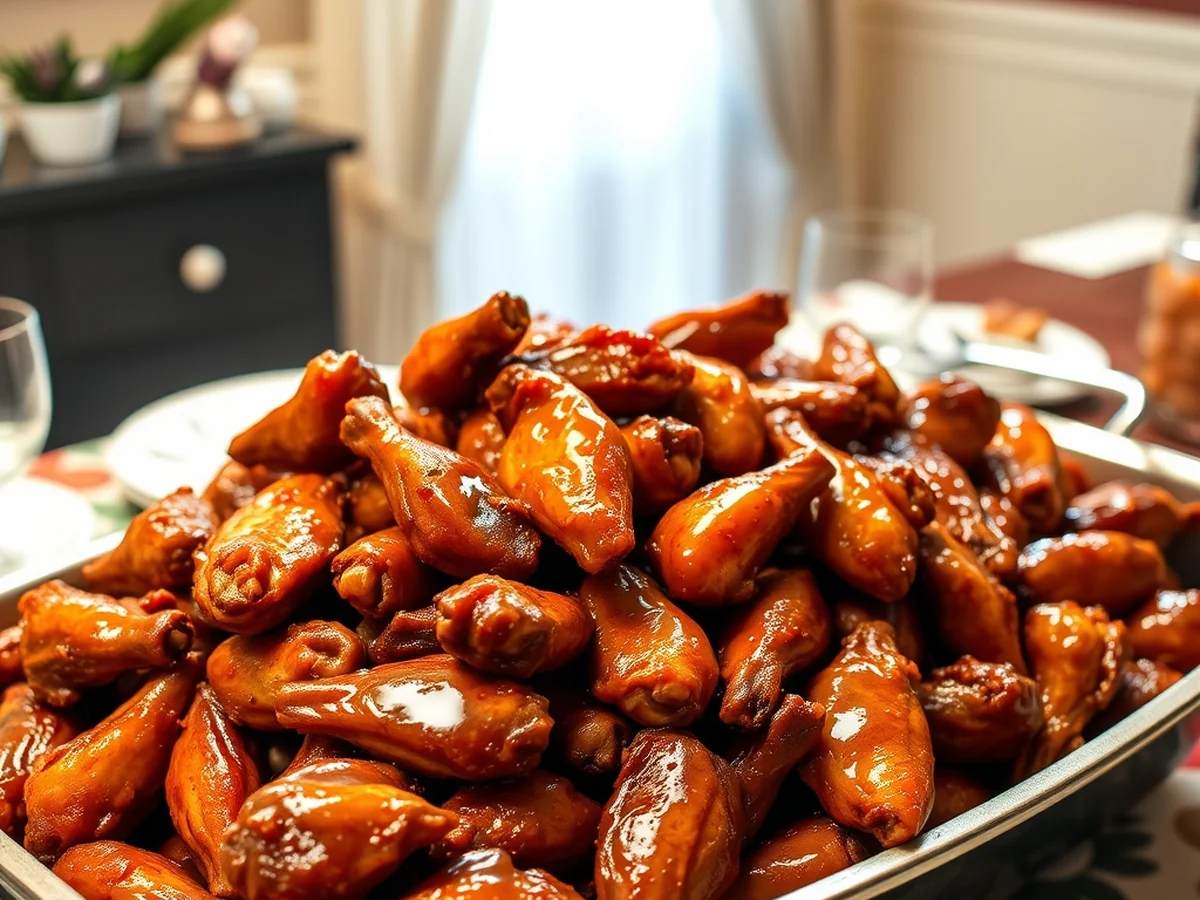
Planning a gathering for family and friends requires careful calculation to ensure everyone leaves the table fully satisfied. When preparing these meals, the verified planning metric serves 6 people per batch. Home cooks can easily scale grocery lists up or down depending on the exact guest count, multiplying ingredients proportionally for larger crowds or trimming quantities back for cozy weeknight get-togethers.
Common guidance suggests that approximately 5 wings per person is typical practice for party planning and casual hosting. Heavy eaters or enthusiastic guests might want a few more, so buying extra chicken wings is always a smart move to avoid running short during the big game or weekend celebration.
Calculating Portions and Sauce Ratios
When you prepare delicious glazed chicken for a large crowd, managing the ratio of poultry to glaze is essential. Making a flavorful sweet coating requires enough volume to cover every piece evenly without drowning the meat. Whether you rely on a classic honey garlic glaze or a bolder barbecue sauce approach, batch preparation ensures consistent flavor across every serving.
Balancing Flavors and Accompaniments
Balancing rich flavor profiles requires thoughtful pairing strategies. Sticky Finger-Licking Wings feature sweet and savory coatings that shine brightest when contrasted with cool and crisp complementary sides. Crunchy celery sticks, fresh carrot crudites, and creamy ranch or blue cheese dressing help cut through heavy glazes, cleansing the palate between bites.
Managing Logistics and Cooking Surfaces
Managing logistics for messy finger foods takes a bit of preparation before guests arrive. Setting out plenty of damp washcloths or heavy duty paper napkins right next to the serving platter keeps things tidy once the sauce starts flowing freely. Organizing trash bins within arm reach encourages guests to clean up quickly without stepping away from the conversation.
A frequent mistake during large batch hosting is overcrowding the cooking vessel, whether using a baking sheet or a deep fryer. Piling too many chicken wings together traps steam, resulting in soggy skin instead of the desired crispy exterior that holds onto your glaze effectively. Cooking in separate batches preserves maximum crunch.
Frequently Asked Questions About Sticky Chicken Wings
How to make spicy sweet sticky wings?
You can create these hot and sugary glazed pieces by tossing baked or fried chicken in a reduction of chili paste, honey, soy sauce, and garlic. Simmer the glaze on the stove until it thickens enough to coat the back of a spoon before tossing the cooked chicken through it. This method balances heat and sugar without burning the coating.
How many wings to serve per person?
Standard hosting guidance suggests planning for approximately five wings per person when you are serving several side dishes and appetizers. If the chicken serves as the main course for a larger gathering, you should increase that estimate to account for hungry guests. For instance, a recipe that serves 6 people will require around thirty wings total.
How do you reheat leftover glazed wings without losing crispiness?
Reheat leftover glazed wings in an oven or air fryer set to a medium-high temperature for five to eight minutes until the skin crisps up again. Avoid using a microwave because it will make the skin soggy and melt the glaze into a watery mess. Placing the chicken on a wire rack inside a baking sheet allows air to circulate evenly during the process.
What temperature should chicken wings reach when cooked?
Chicken wings must reach an internal temperature of 165 degrees Fahrenheit to be safe for consumption. Insert a digital meat thermometer into the thickest part of the meat without touching the bone to get an accurate reading. Dark meat on wings actually tastes best and becomes tender when cooked slightly past this minimum threshold.
Can you bake chicken wings instead of frying them?
You can bake chicken wings in a hot oven by coating them lightly in baking powder and salt before arranging them in a single layer on a wire rack. Baking at a high temperature for about forty minutes renders out the fat and creates a shatteringly crisp exterior that holds thick sauces well. This method reduces the mess of deep frying while delivering similar texture results.
Conclusion
Deciding which flavor profile to tackle next depends entirely on your craving for the day, whether you want deep barbecue notes or fiery gochujang heat. Common guidance suggests planning for approximately 5 wings per person, making it easy to scale your grocery trip and prep work. Grab your baking sheets, pick your favorite glaze, and start cooking up a batch of Sticky Finger-Licking Wings for your next family dinner.
Sources: mass.gov
You might also like: Chocolate Chip Scones