

Creamy Lemon Parmesan Pasta for a Fresh Summer Meal
Introduction
Creamy Lemon Parmesan Summer Pasta delivers a vibrant mix of bright citrus and rich cheese that satisfies weeknight cravings. This guide covers everything needed to whip up the dish at home, including required ingredients, step-by-step cooking instructions, and helpful tips for achieving a smooth sauce.
Creamy Lemon Parmesan Summer Pasta

This light yet indulgent dish brings a bright, citrus-forward profile to the table, making it an ideal choice for warm evenings. By balancing rich cheese with fresh acidity, you achieve a satisfying meal that feels elevated without being heavy. The inspiration for this preparation comes directly from the classic Italian Pasta al limone. This traditional method of cooking, often associated with the sun-drenched Amalfi Coast, relies on the synergy between sharp citrus and high-quality dairy to create a luxurious sauce. It is a timeless approach that celebrates simplicity and the quality of raw ingredients.
Preparing this meal is remarkably straightforward, fitting perfectly into an effortless weeknight schedule. Because it comes together quickly, it serves as one of the most reliable summer pasta recipes for busy home cooks who want a restaurant-quality result in under thirty minutes.
How to Achieve the Best Sauce Consistency
Creating a glossy, velvety lemon cream pasta requires careful attention to temperature and starch. Instead of heavy cream, the sauce comes together through an emulsion of grated Parmigiano Reggiano, starchy pasta water, and fresh citrus juice. When the hot pasta hits the pan with the cheese and starchy water, it melts into a smooth coating that clings to every strand.
Essential Tools and Preparation Steps
To ensure the best texture and flavor, keep these simple principles in mind:
- Use a zester or Microplane to capture only the fragrant yellow part of the lemon peel, avoiding the bitter white pith underneath.
- Select authentic Parmigiano Reggiano to provide the best depth of flavor for your lemon parmesan pasta recipe.
- Finish the dish with a drizzle of high-quality extra virgin olive oil to add a silky mouthfeel just before serving.
Whether you are looking to feed a family or enjoy a quiet dinner, this creamy lemon parmesan pasta without cream offers a refreshing departure from heavier tomato-based sauces. It creates an approachable dining experience that honors coastal Italian traditions while suiting a modern, fast-paced kitchen.
Essential Ingredients and Tools

Creating a vibrant lemon cream pasta relies on high quality pantry staples and the right preparation techniques. Choosing fresh, authentic components ensures your dish captures the bright, zesty character of seasonal summer cooking.
- Select genuine Parmigiano Reggiano for its deep, nutty flavor, as pre-grated options often contain anti-caking agents that hinder a smooth melt.
- Use a high quality extra virgin olive oil to form the base of your sauce, providing a silky texture and a subtle, fruity finish.
- Utilize a Microplane or similar fine zester to capture only the bright yellow outer skin of the lemon, avoiding the bitter white pith found underneath.
- Choose fresh, firm lemons with smooth skin, as these typically yield more juice and provide a cleaner flavor for your sauce.
- Opt for a high-quality dry pasta shape, such as spaghetti or linguine, which holds onto the sauce effectively for a balanced bite.
You may wonder whether to use heavy cream or rely on the starch from your cooking water. While heavy cream creates a luxurious and stable sauce effortlessly, many home cooks prefer a lighter approach by emulsifying pasta water with cheese. This technique, often seen in traditional Pasta al limone, creates a glossy, coating sauce without the heaviness of dairy. If you aim for a creamy lemon parmesan pasta without cream, reserve at least one cup of starchy pasta water before draining your noodles. Slowly whisking this water into your cheese and citrus mixture creates a beautiful, creamy consistency that feels perfectly suited for a warm evening.
Key Steps to Perfect Sauce
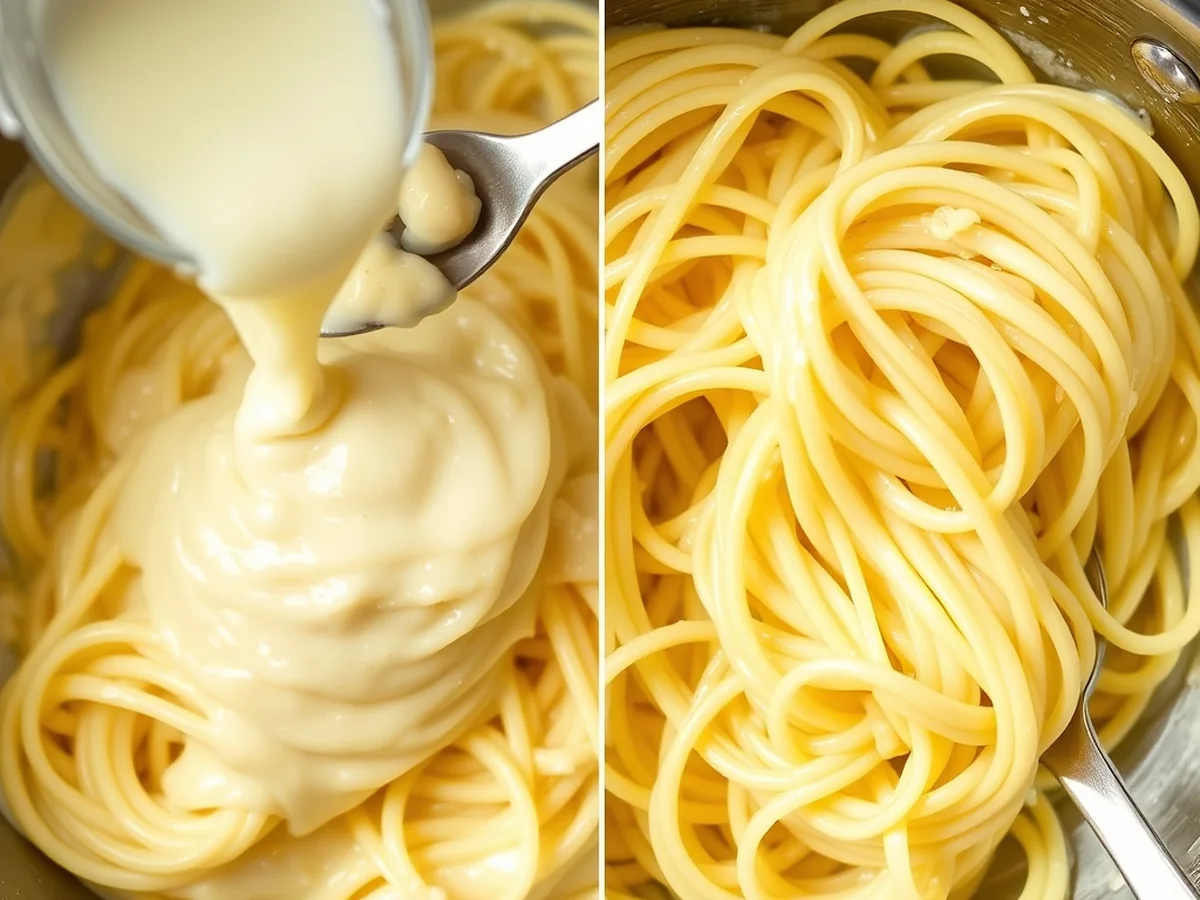
Achieving a velvety sauce for your creamy lemon parmesan pasta without cream relies entirely on starchy pasta water and proper emulsion techniques. Instead of relying on heavy dairy, you build the sauce directly in the pan by combining hot cooking liquid with freshly grated Parmigiano Reggiano cheese and extra virgin olive oil. This approach creates a light yet rich coating that highlights seasonal summer pasta recipes.
The Power of Starchy Water
Reserving a cup of cooking water before draining the pasta provides the essential starch needed to bind everything together. That cloudy liquid contains starches released during boiling, which act as a natural glue to meld oil, cheese, and liquid into a smooth coating. A common mistake is draining the pasta without saving this liquid, which leaves you with a dry dish.
Mastering the Emulsion
The emulsification process happens when you vigorously stir the warm pasta, oil, cheese, and starchy water together off the heat. Energetic movement forces the fat and water to bond seamlessly rather than separating into an oily mess. Using a Microplane or zester ensures your citrus zest is fine enough to integrate smoothly into this emulsion without creating bitter pockets.
Timing Your Citrus Additions
Timing the citrus additions preserves the bright flavor profile of your lemon cream pasta. You should stir in the fresh lemon zest and juice near the very end of cooking so the high heat does not dull the vibrant citrus notes. This final step brings a refreshing balance that elevates any traditional lemon parmesan pasta recipe for home cooks.
Quick Summer Pasta Cook Time
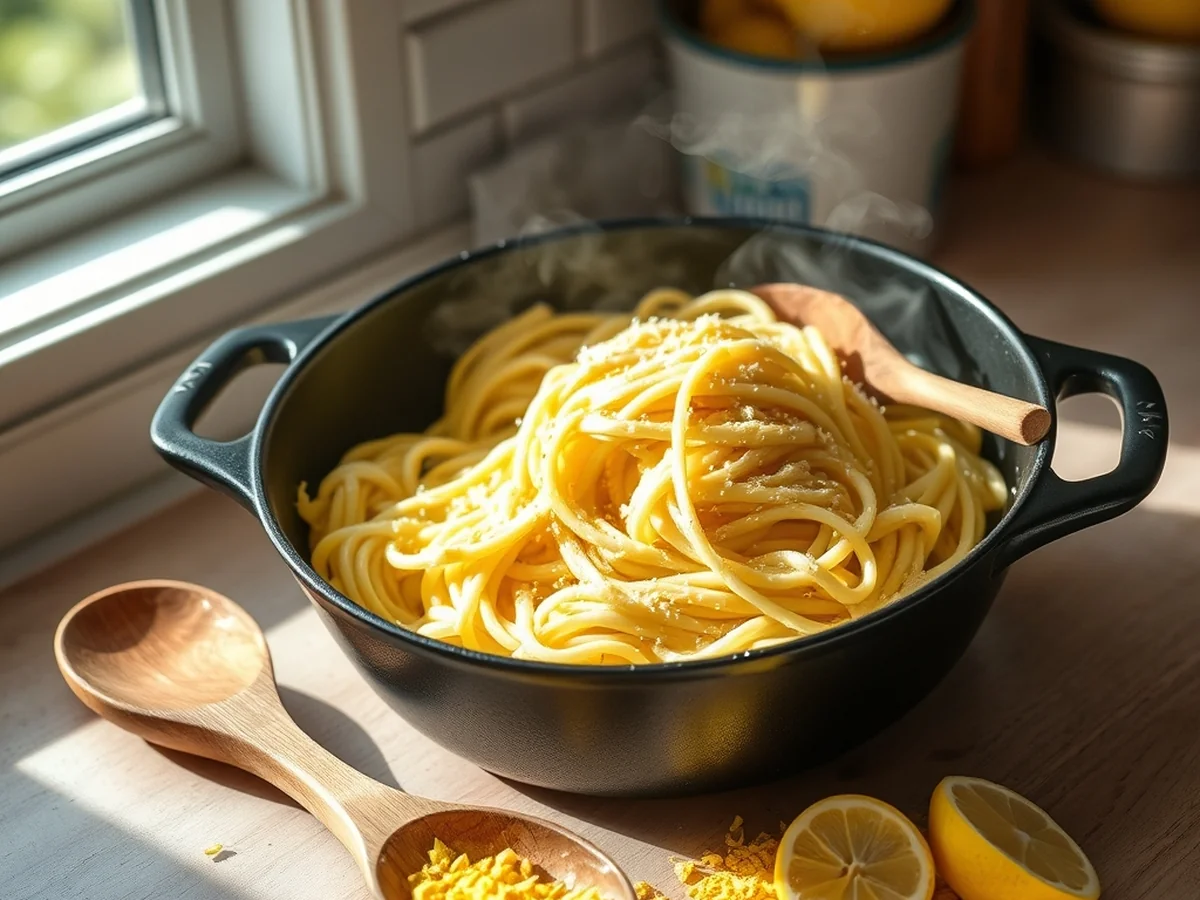
Preparing a vibrant bowl of Creamy Lemon Parmesan Summer Pasta takes very little time from start to finish, making it an ideal choice for busy weeknights when you want a warm, flavorful meal without standing over a hot stove for hours. Inspired by the bright citrus traditions of the Amalfi Coast reminiscent of traditional Pasta al limone, this dish comes together rapidly by organizing your workflow efficiently. You can easily get everything on the table in minutes by gathering your ingredients, grating your Parmigiano Reggiano with a microplane zester, and bringing your water to a boil before turning on the burner.
Workflow and Timing Breakdown
| Phase | Duration | Practical Focus |
|---|---|---|
| Preparation | 10 minutes | Mise en place, zesting citrus, and measuring cheese |
| Cooking | 15 minutes | Boiling noodles and melting the emulsion |
| Total Time | 25 minutes | Complete weeknight dinner execution |
Scaling for Families and Solo Diners
Family meal planning is straightforward because the recipe yields reliable portions that satisfy small or medium groups of hungry diners. You can easily scale the measurements up or down depending on how many people are joining you at the dinner table. Doubling the amounts works well for larger gatherings, while halving the ingredients fits cozy dinners for one or two. This flexibility helps home cooks manage weeknight meal prep efficiently without generating excessive leftovers.
Avoiding Common Execution Mistakes
To achieve the best possible texture, proper technique is essential when building the sauce. Always grate fresh Parmigiano Reggiano instead of using pre-shredded varieties, because packaged cheese contains cellulose coatings that prevent a smooth melt. Always reserve a cup of starchy pasta water before draining your noodles to help emulsify the extra virgin olive oil and citrus juices into a cohesive coating. Skipping this step often results in a greasy or separated sauce.
Seasonal Additions and Variations

Adapting your Creamy Lemon Parmesan Summer Pasta allows you to use fresh produce from your garden or refrigerator to create a complete meal. Understanding why certain adjustments work helps you maintain the correct balance of flavors without breaking the emulsified sauce. For example, adding heavy vegetables too early can release excess water and dilute the rich coating on your noodles.
Practical steps for seasonal updates depend on the ingredients you choose. Toss tender vegetables like crisp asparagus, sweet green peas, or blistered cherry tomatoes into the pot during the final minute of boiling so they retain their bright color and crisp texture. If you want to increase the protein content, stir in cooked chicken or top the warm bowls with freshly grilled shrimp. To incorporate delicate items, mix in baby spinach or fresh arugula just before serving, allowing the residual heat of the noodles to gently wilt the greens.
A common mistake when customizing summer pasta recipes is overloading the dish with too many competing elements, which overwhelms the citrus notes. Keep the focus balanced by adding fresh herbs like chopped basil or Italian parsley right at the end. Finish your customized bowl with a textural crunch from toasted pine nuts or breadcrumbs, followed by a final squeeze of fresh lemon juice to tie all the new components together seamlessly.
Common Lemon Pasta Mistakes

Achieving a silky sauce for a bright citrus dinner requires careful attention to ingredient preparation, heat control, and flavor balance. Small errors during cooking easily turn a velvety dish into a clumpy or overly tart meal. Understanding why these issues happen helps home cooks fix problems before dinner is served.
Using pre-grated cheese introduces cellulose and anti-caking additives that prevent the dairy from melting smoothly into the liquid. Freshly grated Parmigiano Reggiano processed on a fine microplane or zester melts seamlessly into warm starches. Exposing dairy to high heat causes proteins to tighten rapidly, which separates the fats and results in a grainy texture. Removing the pan from the burner before stirring in cheese prevents this sudden thermal shock.
Failing to balance sharp citrus notes with enough cheese leaves the dish tasting aggressively sour instead of rich and savory. Rinsing cooked noodles washes away the essential starch needed to bind the sauce ingredients together properly. Always reserve a cup of cooking water before draining the pot so the starchy liquid can adjust the thickness of the final coating. Adding cold dairy straight from the refrigerator creates a temperature shock that ruins the emulsion. Bringing ingredients to room temperature beforehand ensures a glossy finish every single time.
Storage and Reheating Tips
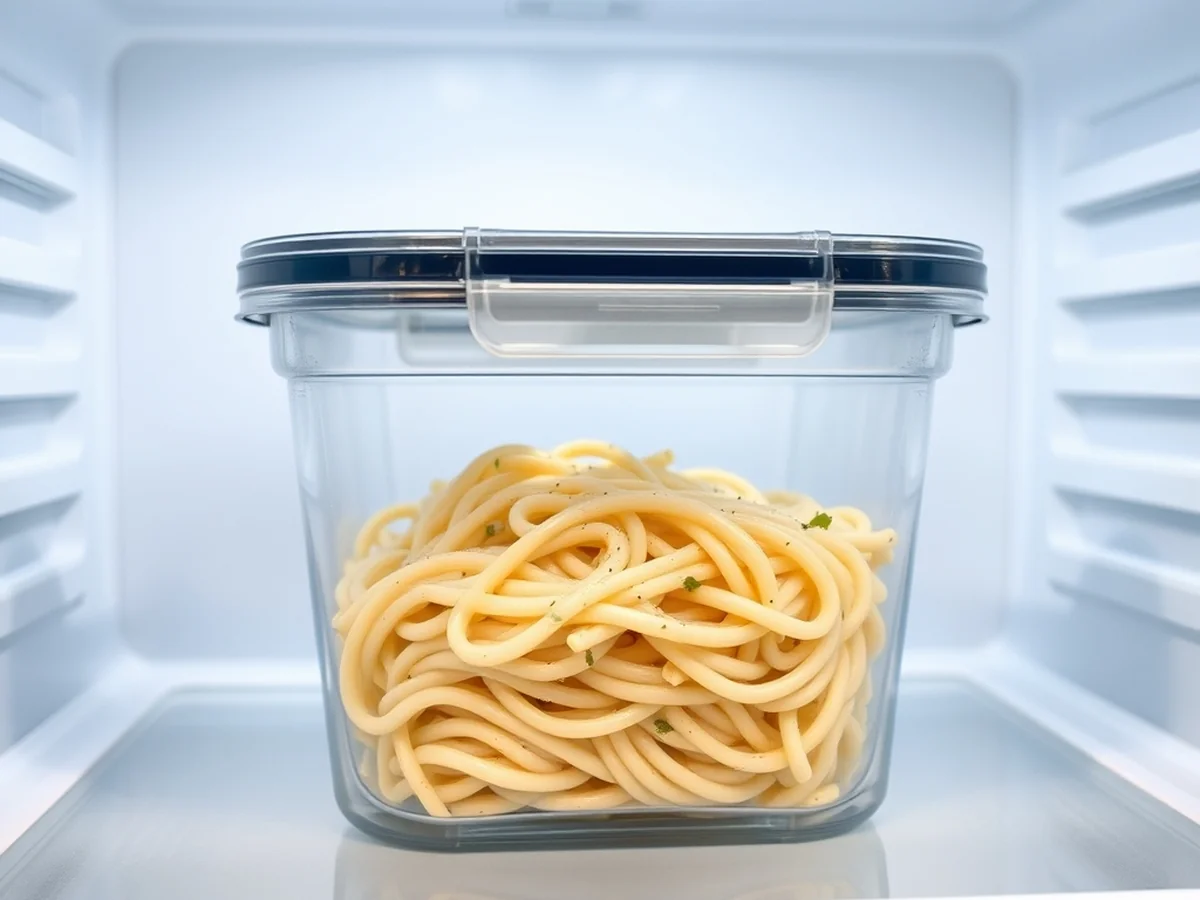
Leftover creamy lemon parmesan pasta stores best when transferred to airtight containers as soon as the dish cools down. Keeping the leftovers sealed tightly helps retain moisture and prevents the rich cheese sauce from drying out in the refrigerator.
Proper storage starts with letting the meal cool slightly before sealing the container. Avoid leaving dairy based sauces at room temperature for long periods. Once cooled, place the container securely in the fridge to maintain freshness for up to three days.
Reheating this dish requires care to keep the delicate sauce from breaking. High heat causes the cheese and fat to separate, leaving an oily texture instead of a smooth coating. A common mistake is using the microwave on high power, which overheats the noodles and causes the sauce to separate instantly.
Low heat on the stovetop is the best method for warming up the meal. Place the leftovers in a pan over medium-low heat and stir gently until warmed through. Adding a splash of water during the warming process revives the creamy texture. The extra moisture helps rebuild the emulsion so the cheese coats the noodles smoothly again, bringing your meal back to life without losing that vibrant citrus flavor.
Serving and Pairing Ideas

Completing a bright bowl of Creamy Lemon Parmesan Summer Pasta involves balancing the rich cheese sauce with the right accompaniments. Because the dish leans heavily on citrus and dairy, thoughtful pairing elevates the meal from a simple weeknight dinner into a well-rounded dining experience.
The main goal when planning side dishes is to cut through the richness of the cheese without competing with the fresh citrus dish flavors. A crisp green salad tossed in a sharp vinaigrette provides a necessary acidic contrast to the heavy sauce. Warm crusty bread works well on the side to soak up any extra sauce left at the bottom of the bowl. For those wanting to turn the vegetarian meal into a heartier plate, adding grilled chicken or shrimp offers a simple protein boost that fits naturally into these seasonal dishes.
Beverage selection also plays a key role in rounding out the meal. Choosing a dry white wine such as Pinot Grigio or Sauvignon Blanc matches the sharp citrus notes found in the sauce. When planning the menu, paying attention to the nutritional breakdown per serving helps ensure the meal fits comfortably into your daily dietary goals.
Common mistakes during the serving phase include heavy side dishes that weigh down the palate. Avoid pairing the noodles with heavy starches or overly creamy soups. Keep side elements fresh, light, and acidic to maintain the bright profile of the dish.
FAQ
How do you make creamy lemon pasta sauce?
You make creamy lemon pasta sauce by whisking warm pasta water with freshly grated Parmigiano Reggiano and fresh lemon juice until it emulsifies into a smooth coating. This technique creates a rich sauce without needing heavy cream. A common mistake is adding the cheese to water that is too hot or too cold, which causes clumping instead of a silky emulsion. Always remove the pan from direct heat and reserve your pasta water before mixing.
What ingredients are needed for lemon parmesan pasta?
The essential components include long strands of pasta, fresh lemons, extra virgin olive oil, and high quality cheese such as Parmigiano Reggiano. Many home cooks also include garlic or fresh herbs to enhance the flavor profile. Using a microplane or zester ensures you capture only the bright outer peel of the citrus without the bitter white pith underneath.
How do you store and reheat leftover creamy pasta?
Leftovers should be stored in an airtight container in the refrigerator for up to three days. Reheat the dish gently on the stove over low heat while adding a splash of water or broth to restore the smooth texture of the sauce. Avoid high microwave heat, which can cause the cheese to separate and turn greasy.
What can you serve alongside lemon pasta?
This dish pairs wonderfully with simple green salads, roasted vegetables, or grilled proteins like chicken to round out warm weather meals. The bright citrus notes complement both light side dishes and heavier mains inspired by traditional Italian meals from the Amalfi Coast.
Conclusion
Decide to whip up a batch tonight to experience the vibrant citrus flavors in your own kitchen. Gathering your ingredients and firing up the stove is the best next step for enjoying a warm weather dinner. This bright and comforting lemon parmesan dish brings a wonderful meal to your table with minimal effort.
You might also like: Chocolate Chip Scones


