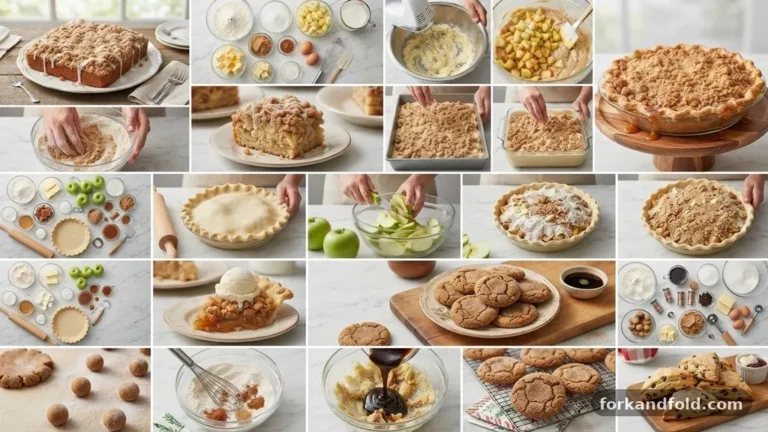
Ginger Cookies
Making a batch of homemade Ginger Cookies fills your kitchen with a warm, spicy aroma that is hard to beat. These treats strike a perfect balance between the sharp, earthy heat of ginger and the deep, rich sweetness of molasses.
Whether you prefer them chewy and soft or thin and crisp, mastering this staple is a rewarding endeavor for any home baker. You will find that these reliable, flavorful biscuits become a staple in your rotation once you understand how to balance the spices and texture.
- Prep time: 15 minutes
- Cook time: 30 minutes
- Total time: 45 minutes
- Servings: 4
- Calories: 420 per serving
Ingredients
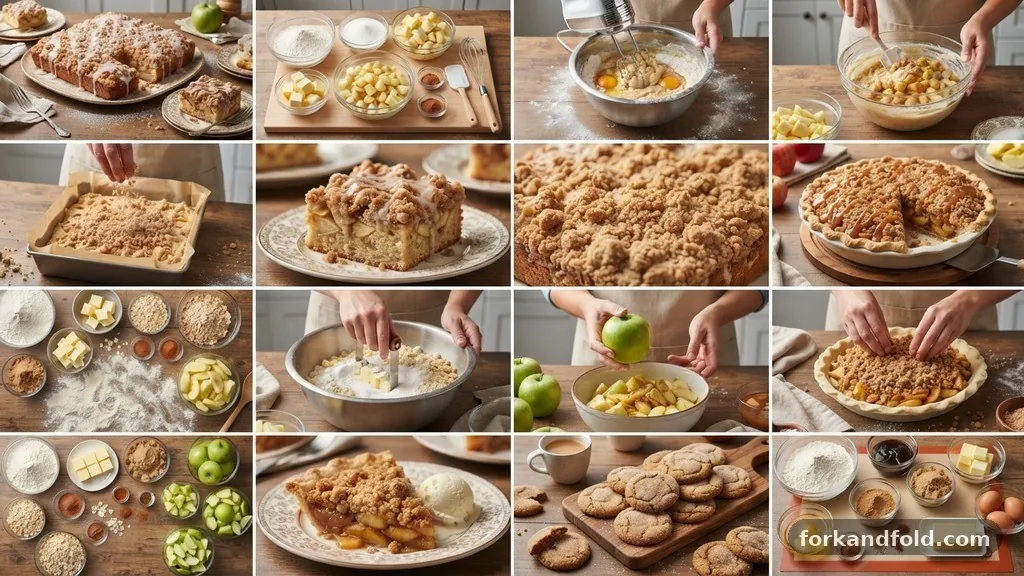
- 2 cups all-purpose flour
- 1.5 teaspoons ground ginger
- 1 teaspoon ground cinnamon
- 0.5 teaspoon ground cloves
- 1 teaspoon baking soda
- 0.25 teaspoon salt
- 0.75 cup unsalted butter, softened at room temperature
- 0.5 cup granulated sugar
- 0.5 cup packed dark molasses
- 1 large egg, room temperature
- 0.25 cup additional granulated sugar for rolling
Instructions
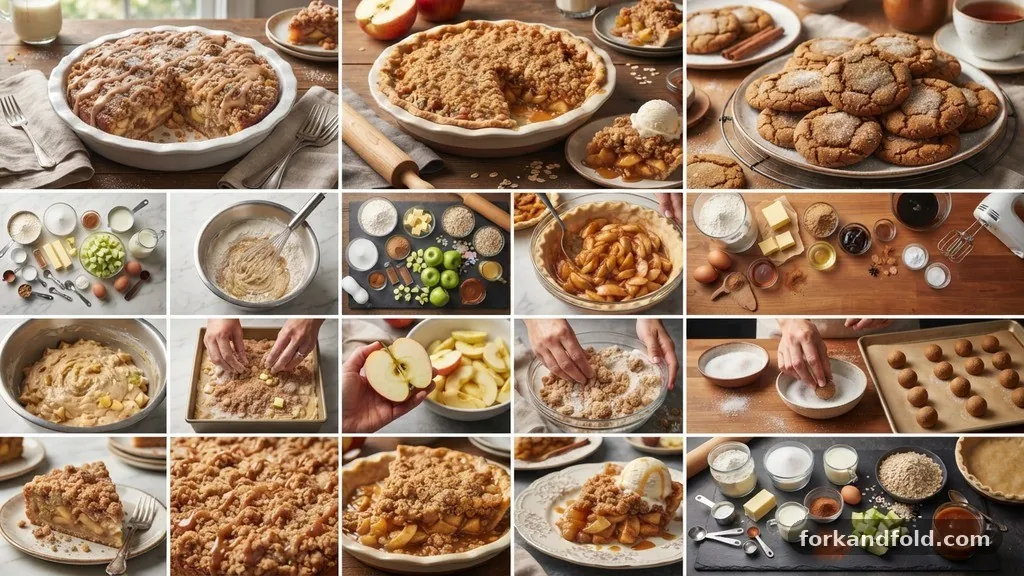
- Preheat your oven to 350°F (175°C) and line two large cookie sheets with parchment paper to prevent sticking.
- In a medium bowl, whisk together the flour, ground ginger, cinnamon, cloves, baking soda, and salt until evenly combined.
- In a large mixing bowl, beat the softened butter and 0.5 cup of sugar together until the mixture is light, fluffy, and pale in color.
- Add the egg and molasses to the butter mixture, beating well until the ingredients are fully incorporated and smooth.
- Gradually add the dry flour mixture into the wet ingredients, stirring until just combined to ensure the dough remains tender.
- Scoop rounded tablespoons of dough and roll them into 1-inch balls using your palms.
- Roll each dough ball in the remaining 0.25 cup of sugar until thoroughly coated, then place them on the prepared cookie sheets about 2 inches apart.
- Bake in the preheated oven for 10 to 12 minutes, or until the edges are set and the tops show slight cracks.
- Allow the cookies to remain on the pans for 5 minutes before transferring them to a wire rack to finish being cooled.
Understanding the Role of Spices

The distinct flavor profile of ginger cookies relies heavily on the quality and freshness of your dry spices. Ground ginger provides the primary heat, but it works in tandem with cinnamon and cloves to create a complex, layered experience. You should always check the expiration dates on your spice jars, as older spices lose their potency and can result in a flat, uninspired taste.
If you find that your cookies lack the intended “zing,” consider adding a small amount of finely grated fresh ginger to the dough. This adds a bright, sharp note that dried powder cannot replicate on its own. Be careful not to add too much moisture, however, as fresh ginger can alter the chemistry of your dough if you are not cautious.
Balancing these spices is an art form that varies depending on your personal preference. Some bakers prefer a heavy hand with the cloves for a more intense, peppery bite, while others lean toward more cinnamon for a sweeter, more approachable profile. Experimenting with these ratios is part of the fun of baking from scratch.
The Science of Molasses and Sugar
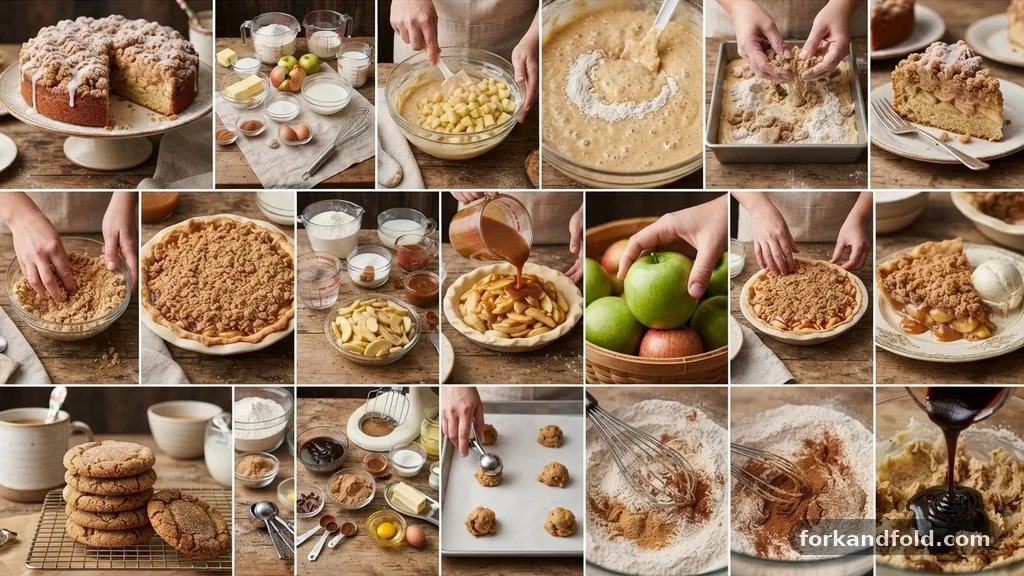
Molasses is the backbone of traditional ginger cookies, providing both the characteristic deep brown color and a chewy, dense texture. Dark molasses is generally preferred over light because it contains more concentrated flavor and acidity. This acidity reacts with the baking soda in your recipe, which is essential for helping the cookies rise and creating that signature crackled top.
The ratio of sugar to molasses also dictates how your final product will behave in the oven. Using brown sugar instead of granulated can add extra moisture, leading to a softer, more cake-like result. Conversely, sticking strictly to white granulated sugar helps the edges crisp up while keeping the center tender.
You can learn more about the chemical reactions in baking through the Exploratorium’s guide to baking science to better understand why ingredients interact the way they do. Understanding these variables allows you to adjust your results based on your preferences. If you want a chewier cookie, always ensure you measure your molasses accurately by spraying your measuring cup with a little non-stick spray first.
Achieving the Perfect Texture
Texture is often the most debated aspect of homemade cookies, as some people swear by a soft, chewy interior while others demand a snappy, thin bite. To achieve a soft ginger cookie, you must avoid overbaking them. Pull the trays from the oven while the centers still look slightly underdone, as they will finish setting on the hot baking sheet.
If you prefer a crispy version, bake the cookies for an extra two minutes and ensure your dough balls are slightly flattened before they hit the oven. Flattening them allows the heat to penetrate the center more quickly, encouraging a uniform crispness across the entire surface. Always use room-temperature butter when starting your dough to ensure proper aeration.
Another factor influencing texture is the resting time of the dough. Chilling your dough for at least an hour before baking prevents the cookies from spreading too thinly in the oven. This produces a thicker, more substantial cookie that holds its shape well.
Managing Your Dough and Baking Environment
Working with sticky dough can be frustrating if you aren’t prepared. If your dough feels too soft to roll into balls, place the bowl in the refrigerator for 30 minutes to firm up the fats. This simple step makes the rolling process much cleaner and keeps your hands from becoming coated in a thick, sugary mess.
When placing your dough balls on the cookie sheets, ensure you leave plenty of space for expansion. If you crowd the pan, the air cannot circulate properly, leading to unevenly baked cookies with soft, gummy edges. Always use parchment paper or a high-quality silicone mat, as this prevents the high sugar content of the dough from caramelizing directly onto the metal surface.
Keep an eye on your oven temperature as well, as home ovens often fluctuate more than you might realize. If you have an oven thermometer, use it to ensure you are actually baking at the required 350°F. A slightly too-hot oven will burn the sugar on the bottom of the cookie before the middle is fully cooked.

Storage and Preservation
Proper storage is the only way to maintain the quality of your hard work. Once the cookies are completely cooled, place them in an airtight container to keep them from drying out or absorbing moisture from the air. If you want to keep them soft for a longer period, place a small piece of white bread or an apple slice in the container with them.
For those who like to plan ahead, the dough can be made in advance and kept in the refrigerator for up to three days. You can also freeze the dough balls before baking. Simply roll them in the sugar, place them on a tray to freeze solid, and then transfer them to a freezer-safe bag.
When you are ready to bake from frozen, there is no need to thaw them. Just add one or two extra minutes to your total baking time. This method ensures you can have fresh, warm cookies at a moment’s notice without having to start the entire process from scratch.
FAQ
What are the most common mistakes when making these cookies?
Overbaking is the most frequent error, which turns soft dough into hard, dry biscuits. Another common mistake is using cold butter, which prevents the sugar from being properly creamed into the fat, resulting in a dense or greasy texture.
How do these differ from gingerbread cookies?
While they share similar spice profiles, gingerbread cookies are typically firmer and designed to hold their shape for cutting into specific decorative forms. Ginger cookies are usually drop-style cookies intended to be chewy or soft.
Can I make these without molasses?
Molasses is essential for the traditional flavor and texture of these cookies. If you do not have it, you can substitute it with dark corn syrup or honey, though the final taste will be significantly less earthy and complex.
What is the secret to a soft ginger cookie?
The secret is to use a combination of brown sugar and molasses while being very careful with the baking time. Removing the cookies from the oven while the centers are still slightly soft is the key to maintaining a chewy, moist interior.
How long will they stay fresh?
Stored in an airtight container at room temperature, these cookies will remain fresh for up to one week. If you need to keep them longer, they freeze exceptionally well for up to three months.
Conclusion
Mastering the art of baking ginger cookies is a rewarding journey that connects you to classic, comforting flavors. By paying close attention to the quality of your spices, the temperature of your ingredients, and the timing of your bake, you can consistently produce treats that impress friends and family alike. Whether you enjoy them alongside a hot cup of coffee or as a festive holiday snack, these cookies offer a reliable way to add warmth to any day.
Keep your pantry stocked with these essential ingredients, and you will always be ready to whip up a batch. Feel free to experiment with the spice ratios or add a touch of fresh ginger to find your perfect version of these classic Ginger Cookies.
Ginger Cookies
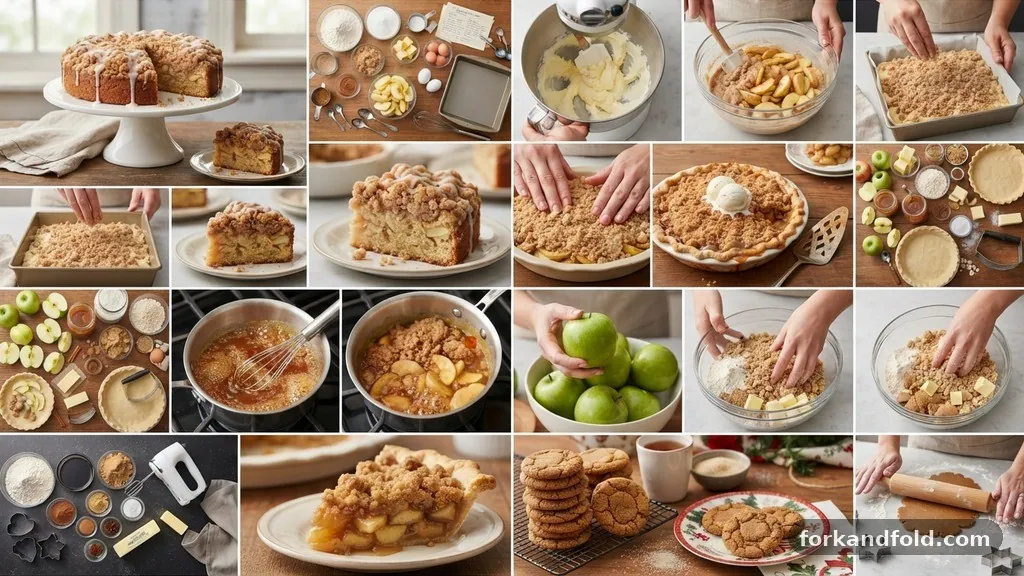
Making a batch of homemade Ginger Cookies fills your kitchen with a warm, spicy aroma that is hard to beat. These treats strike a perfect balance between the sharp, earthy heat of ginger and the deep, rich sweetness of molasses .
Ingredients
- 2 cups all-purpose flour
- 1.5 teaspoons ground ginger
- 1 teaspoon ground cinnamon
- 0.5 teaspoon ground cloves
- 1 teaspoon baking soda
- 0.25 teaspoon salt
- 0.75 cup unsalted butter , softened at room temperature
- 0.5 cup granulated sugar
- 0.5 cup packed dark molasses
- 1 large egg, room temperature
- 0.25 cup additional granulated sugar for rolling
Instructions
- Preheat your oven to 350°F (175°C) and line two large cookie sheets with parchment paper to prevent sticking.
- In a medium bowl , whisk together the flour, ground ginger, cinnamon, cloves, baking soda, and salt until evenly combined.
- In a large mixing bowl, beat the softened butter and 0.5 cup of sugar together until the mixture is light, fluffy, and pale in color.
- Add the egg and molasses to the butter mixture, beating well until the ingredients are fully incorporated and smooth.
- Gradually add the dry flour mixture into the wet ingredients, stirring until just combined to ensure the dough remains tender.
- Scoop rounded tablespoons of dough and roll them into 1-inch balls using your palms.
- Roll each dough ball in the remaining 0.25 cup of sugar until thoroughly coated, then place them on the prepared cookie sheets about 2 inches apart.
- Bake in the preheated oven for 10 to 12 minutes, or until the edges are set and the tops show slight cracks.
- Allow the cookies to remain on the pans for 5 minutes before transferring them to a wire rack to finish being cooled .
Similar Posts
No Bake Holiday Cookies
Preparing No Bake Holiday Cookies is a fantastic way to simplify your kitchen routine during the busiest time of the year. These treats offer the rich, satisfying flavors of traditional confections without requiring a single minute of oven time. Whether you are looking to save space in a crowded kitchen or simply want a quick…
Chocolate Chip Scones
Baking a fresh batch of Chocolate Chip Scones at home transforms a simple morning routine into a cafe-quality experience. These pastries strike the perfect balance between a buttery, tender crumb and the rich, melting sweetness of semi-sweet chocolate. Whether you prefer them paired with a strong cup of coffee or served as an afternoon treat,…
15 Delicious Treats for the Holiday Table
Discover 15 easy no-bake Thanksgiving desserts, from creamy pumpkin pies to make ahead treats that save oven space and simplify holiday hosting.
7 Thanksgiving Desserts That Will Wow Your Sweet Tooth
Discover 7 crowd pleasing Thanksgiving desserts, expert make-ahead storage tips, and flavor pairing ideas to elevate your holiday table. Read the full guide for
15 Easy Italian Slow Cooker Meals to Try
Discover 15 easy Italian crock pot recipes, from hearty beef ragu to comforting soups, with expert tips on prep and texture. Read the full guide for the details
Honey Wheat Bread
Baking your own honey wheat bread at home is a rewarding way to bring warmth and nourishment to your kitchen. This loaf balances the nutty depth of whole wheat flour with the gentle, floral sweetness of real honey. You’ll find the texture is sturdy enough for a hearty sandwich yet soft enough to enjoy toasted…