
Cook John’s BLT Pasta Salad for an Easy Meal
Introduction
You can easily Cook John’s BLT Pasta at home by combining crisp bacon, fresh tomatoes, and greens with a rich sauce. This popular recipe transforms the classic sandwich flavors into a satisfying dinner using ditalini pasta.
This article covers the complete ingredient list, step-by-step preparation instructions, and helpful cooking tips. You will also find guidance on making the dish ahead of time and adjusting ingredients to fit your pantry.
Overview of John’s BLT Pasta
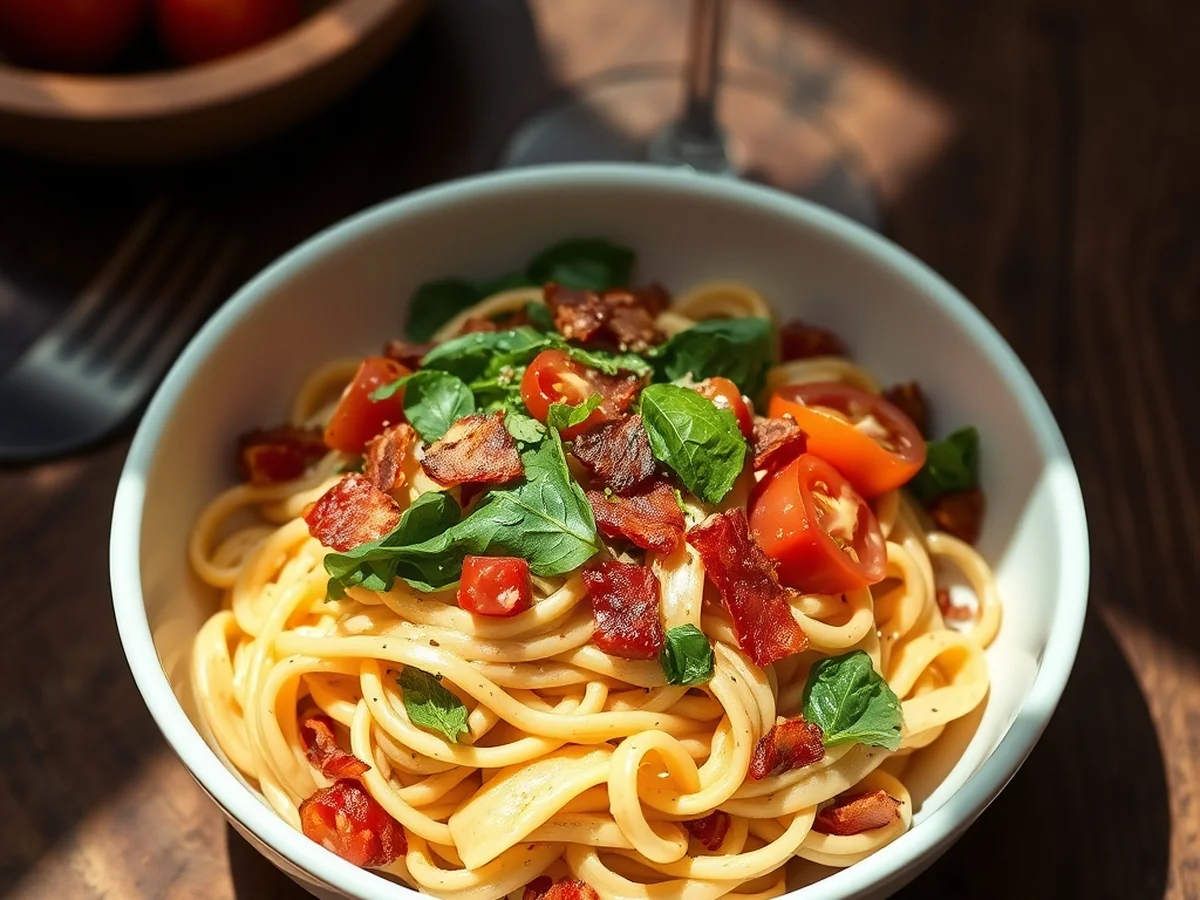
This dish blends classic sandwich flavors into a warm or chilled pasta creation by combining smoky bacon, fresh tomatoes, and crisp greens with tender noodles and a creamy sauce. It reimagines a beloved handheld lunch into a satisfying meal that works well for busy weeknights.
Home cooks often seek out comfort food that balances rich elements with fresh, bright notes. This recipe delivers that exact combination by pairing savory pork with vibrant vegetables and citrus accents.
The concept takes inspiration from Food Wishes and Allrecipes favorites popularized by Chef John. It gives traditional southern style noodle bowls a fresh twist by incorporating ingredients like baby arugula and cherry tomatoes.
Short noodles frequently rely on tubular shapes to hold thick sauces and small mix ins. This particular approach uses that style of pasta to ensure every spoonful contains a bit of meat and vegetables.
Another highlight is the creamy base, which sets this apart from standard oil and vinegar noodle dishes. Using creme fraiche creates a velvety coating that clings to the ingredients without feeling overly heavy.
People looking to prepare Cook John’s BLT Pasta will find a straightforward method that relies on stovetop techniques. Common guidance suggests cooking the bacon until crisp before building the remaining components in the same pan.
Garlic and lemon zest infuse the warm pan drippings to build layers of flavor before the tomatoes and greens go in. This simple workflow keeps cleanup minimal while maximizing taste.
The dish adapts easily to different serving preferences. It can be enjoyed warm straight from the stove or allowed to cool for a refreshing meal.
Key Elements of Chef John BLT pasta recipe
The success of the primary dish relies on balancing rich and acidic components. Traditional sandwiches feature pork, lettuce, and fruit, and this rendition translates those elements directly into a comforting dinner format. Using short noodles allows the sauce to coat every piece evenly. Common guidance indicates that cooking bacon in a heavy skillet over medium heat creates the ideal smoky foundation for the dish. The remaining ingredients build directly upon those rendered drippings for maximum flavor.
Choosing Ditalini Pasta and Creme Fraiche Sauce
Exploring various short noodle meal ideas highlights the value of using tubular shapes that trap small ingredients inside each bite. Meanwhile, a creme fraiche pasta sauce offers a distinct advantage over standard dairy additions because it provides a rich texture without splitting when heated gently. Home cooks frequently look for alternatives if creme fraiche is unavailable, and heavy cream combined with a touch of lemon juice can serve as a suitable substitute in a pinch.
Practical Preparation and Serving Flexibility
When preparing skillet noodle dishes, managing the workflow in a single pan streamlines the entire process. Typical practices involve cooking the meat, softening the aromatics, and briefly wilting the greens right before combining everything with the cooked noodles. This adaptable meal works well as a hot evening dinner or as a chilled pasta salad option for gatherings, offering versatility for different seasons and schedules.
Components of John’s BLT Pasta

When you want to Cook John’s BLT Pasta, you translate the famous flavors of a classic sandwich into a comforting bowl of noodles by combining smoky bacon, juicy cherry tomatoes, and crisp greens with a rich sauce. This modern twist takes the familiar elements of a sandwich and reimagines them into a warm, savory dinner that feels both indulgent and fresh. Fans of culinary guides from Allrecipes and Food Wishes often seek out this specific formulation for its clever blend of traditional breakfast meats with dinner ingredients.
The structure of the meal relies heavily on the specific noodle shape chosen for the bowl. Small tubular shapes work wonders for catching every bit of the creamy sauce and bits of meat. When exploring various ditalini pasta recipes, you will find that these tiny tubes act like little scoops, ensuring every single bite delivers a balanced mix of flavors rather than leaving the sauce at the bottom of the bowl. Home cooks frequently wonder about measurement standards, such as whether pasta measurements should be raw or cooked. Standard culinary practice dictates that dry pasta is measured before boiling to ensure consistent liquid ratios.
Selecting the Sauce and Greens
Choosing the right green makes a huge difference in the final texture and flavor profile of the dish. Instead of using watery head lettuce that turns soggy under heat, this recipe relies on baby arugula to bring a peppery bite that cuts through the rich sauce. The peppery notes elevate the bacon lettuce and tomato pasta far beyond a basic weeknight meal, adding a sophisticated edge to the plate.
The sauce relies on creme fraiche to provide a velvety texture without curdling when exposed to residual heat. Cooks who need alternatives often ask how you substitute creme fraiche in recipes. You can use full fat sour cream or heavy cream balanced with a touch of lemon juice, though the rich profile of creme fraiche remains ideal for this specific preparation popularized by Chef John BLT pasta recipe variations.
Common Preparation Pitfalls
Even with simple ingredients, home cooks can run into trouble if timing is ignored. A frequent mistake involves overcooking the bacon, which makes the meat bitter and ruins the rendered fat needed to build the flavor foundation. Another error is adding delicate greens too early, which causes the arugula to turn into an unappealing mush instead of maintaining a slight bite. Keeping the heat moderate allows garlic and lemon zest to infuse the sauce safely without burning.
Here are the key elements that make up this unique dish:
- Crispy bacon pieces render their savory fat to build the flavorful foundation of the sauce.
- Halved cherry tomatoes soften slightly in the skillet to release their sweet juices.
- Small tubular ditalini pasta traps the creamy creme fraiche sauce and smaller ingredients inside their cavities.
- Baby arugula wilts gently into the mixture, offering a peppery contrast to the rich elements.
- Garlic and lemon zest infuse the warm sauce with bright and aromatic notes.
Mastering John’s Creme Fraiche Sauce
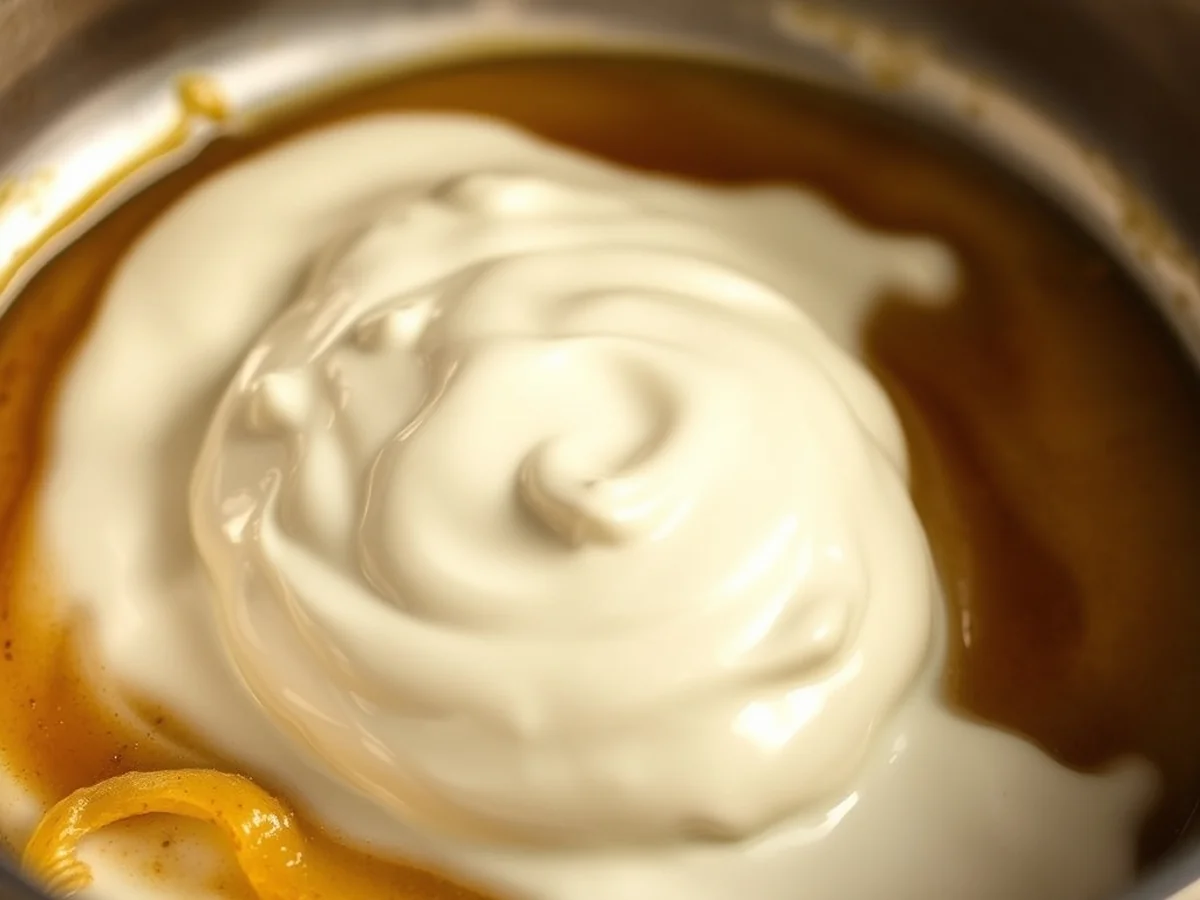
Creme fraiche is chosen for this skillet meal because its high fat content prevents curdling when heated, providing a stable texture and a bright tang. That natural stability allows the dairy to blend smoothly with warm pan juices without breaking, creating a velvety coating that clings properly to ditalini pasta.
Creating a smooth, emulsified creme fraiche pasta sauce requires gentle heat management and steady stirring. Blending the dairy directly with warm ingredients, such as rendered bacon fat, garlic, and citrus zest, helps loosen its thick consistency. Whichever dairy base you select, controlling the burner temperature remains the secret to a successful emulsion. Removing the skillet from direct heat before stirring in the chosen base protects the sauce from splitting and keeps the final meal creamy.
Substitutions work well if creme fraiche is unavailable in your refrigerator. Understanding how these alternatives behave under heat prevents separation issues during dinner preparation:
- Full-fat plain Greek yogurt provides a tangy flavor profile and thick texture, though it requires gentle stirring over low heat.
- Heavy whipping cream combined with fresh lemon juice replicates the rich consistency and bright finish.
- Sour cream offers a similar tang, though it requires very low heat to prevent separating.
A common mistake when preparing this style of sauce is adding the dairy to a pan that is still actively boiling on high heat. High temperatures shock the milk proteins, causing the sauce to break into a watery liquid with floating clumps of fat. To avoid this pitfall, always turn off the burner or reduce the heat to the lowest setting before incorporating the dairy. Letting the residual warmth of the pan gently heat the mixture ensures a glossy, restaurant quality finish every time you cook John’s BLT pasta.
Step-by-Step John’s BLT Pasta

Mastering the preparation of John’s BLT pasta involves coordinating your cooking timeline, layering aromatic flavors carefully, and timing your greens precisely. When you set out to cook John’s BLT pasta, success relies on keeping your components moving so that the warm elements meld together smoothly before the pasta goes into the skillet. Fans of Food Wishes and Allrecipes who enjoy a creative twist on classic comfort food will find that this preparation transforms familiar sandwich elements into a satisfying warm meal.
Here are the key actions to follow for preparing the meal successfully:
- Bacon is typically cooked in a heavy skillet over medium heat for 5 to 8 minutes until it turns almost crisp.
- Boil your ditalini pasta in salted water until it reaches the ideal tender texture.
- Allow minced garlic and lemon zest to cook briefly in the residual warmth to release their aromatic oils.
- Introduce cherry tomatoes to the skillet so they soften and release their juices into the pan.
- Stir in baby arugula for about 30 seconds until it wilts gracefully into the warm mixture.
- Combine the cooked pasta, the crisp bacon, and your creme fraiche sauce base to finish the dish.
Layering flavors with garlic, zest, and tomatoes builds the savory foundation of the sauce. As the tomatoes soften in the hot skillet, they create a bright base that balances the rich dairy element. For home cooks exploring various ways to prepare short tubular pasta with savory toppings, this particular method stands out by utilizing baby arugula instead of traditional iceberg lettuce, offering a peppery bite that cuts through the savory bacon.
The importance of timing when wilting the arugula cannot be overstated. Adding the greens at the very end ensures they collapse slightly from the heat without losing their vibrant color or turning mushy.
Practical Steps and Common Cooking Mistakes
To ensure your skillet meal of smoked pork, fresh tomatoes, and greens turns out with the best possible texture, avoid overcrowding your skillet when crisping the pork. Allowing enough room in the pan ensures the pieces render evenly rather than steaming in their own fat. Another common pitfall is overcooking the garlic and lemon zest. Because these aromatics burn easily, let them interact with the residual heat briefly just to release their fragrant oils without turning bitter.
When working with your pasta, test the shapes a minute or two before the package directions suggest. You want the pasta to hold its shape firmly so it absorbs the creme fraiche pasta sauce without falling apart. Finally, resist the urge to add the baby arugula too early. If the greens sit in the hot pan for too long, they lose their bright structure and release excess moisture into the sauce, altering the final consistency of the meal.
Managing Heat and Sauce Consistency
Achieving the right balance between the hot pan and the dairy component requires careful temperature control. When building a rich dairy coating using French table cream, removing the skillet from direct high heat before stirring in the dairy prevents curdling and keeps the sauce smooth. Home cooks frequently wonder if standard heavy cream or Greek yogurt can substitute for creme fraiche. While heavy cream combined with a splash of fresh lemon juice offers a serviceable backup, true creme fraiche provides a thicker body and a pleasantly tangy flavor profile that complements the sweet cherry tomatoes and smoky bacon.
Storage and Make-Ahead Guidance
If you plan to prepare portions in advance, understanding how the dish holds up in the refrigerator is essential. Unlike a cold pasta salad, this warm preparation is best enjoyed immediately after tossing. If stored overnight, the ditalini pasta will continue to absorb the surrounding moisture, and the baby arugula will soften past its optimal texture. For the best results when reheating leftovers, gently warm the mixture over low heat on the stovetop with a small splash of water to restore the creamy sauce consistency without overcooking the tender greens.
Mistakes Making John’s BLT Pasta

Preparing this pork and fresh vegetable meal requires careful attention to timing and heat to avoid common pitfalls that ruin the texture. Home cooks frequently encounter issues with mushy noodles, wilted greens, and broken sauce bases when rushing through the steps. Avoiding these errors ensures your meal keeps the right balance of crisp ingredients and creamy elements, transforming a simple skillet dinner into a reliable weeknight favorite inspired by Food Wishes and Allrecipes guides.
Watch out for these frequent mistakes during preparation:
- Overcooking the pasta: Leaving your ditalini pasta in boiling salted water for too long ruins the desired bite by making the noodles too soft instead of firm. Always test the pasta a minute before the estimated time.
- Adding delicate greens too early: Stirring the baby arugula into the pan too soon leads to soggy greens that lose their vibrant texture. The greens only need a brief moment in the pan to soften slightly without turning mushy.
- Applying improper heat control: High temperatures when incorporating dairy can cause the creamy dairy component to separate. Keep the heat low or rely on residual pan warmth so the sauce remains smooth and clings properly to every piece of ditalini pasta.
- Skipping proper drainage: Failing to drain your pasta thoroughly leaves excess cooking water trapped in the noodles, which dilutes the rich flavors of the cherry tomatoes and bacon drippings.
- Rushing the bacon: Cooking the meat too fast over high heat prevents it from reaching the proper crispness needed for an authentic savory pork and greens experience. Let the bacon render slowly in a heavy skillet until it achieves the ideal crunch.
Understanding the why behind these missteps helps modern home cooks master the technique on the first try. When you cook John’s BLT pasta, every element serves a specific purpose, from the rendered pork fat carrying flavor to the bright acidity of the lemon zest. Respecting the timing for each component keeps the tomatoes from turning into a pure liquid and ensures the cherry tomatoes retain a pleasant pop of texture alongside the smoky pork.
Serving John’s BLT Pasta Salad

When you cook John’s BLT Pasta, deciding how to plate and enjoy the finished meal depends largely on personal preference and your immediate dining plans. This dynamic dish works best when served immediately while warm, highlighting the fresh texture of the greens and the savory notes of the bacon. However, it also adapts well to a more relaxed picnic style meal if you are packing a quick lunch to enjoy at room temperature later in the day.
Knowing how the dish behaves over time is vital if you plan to cook ahead or manage leftovers. The meal holds up reasonably well in the refrigerator, though the pasta will continue to absorb moisture from the creamy sauce as it sits. Storing your portions in an airtight container helps maintain the best possible texture until you are ready to eat the remaining portions.
Reheating creamy pasta dishes requires a gentle touch to prevent the dairy from splitting or separating into oil and solids. Low heat is essential if you decide to warm the leftovers on the stovetop. Adding a tiny splash of water or broth while stirring constantly helps restore the sauce back to its original silky consistency without ruining the dish.
Microwave reheating can also work if you use short intervals and stir frequently between heating cycles. High power levels will cause the fats in the sauce to break immediately, so patience is required to keep everything smooth. Taking your time with the heat ensures a satisfying meal even days after the initial preparation.
A common mistake when handling leftovers is using maximum power in the microwave or applying high stovetop heat right away, which ruins the texture of the sauce. Avoid sealing the container while the food is still piping hot to prevent excess condensation from watering down the remaining portions. Following these simple practical steps ensures that every bowl tastes just as vibrant as the first serving.
Pro Tips to Cook John’s BLT Pasta
Mastering small details when you cook John’s BLT pasta turns a simple weeknight meal into something memorable. Whether you are adapting this savory skillet meal for family dinners or trying to speed up prep work, clever kitchen techniques and subtle flavor adjustments make all the difference.
| Technique | Purpose | Application |
|---|---|---|
| Tomato slicing trick | Save prep time | Place tomatoes between two lids |
| Cayenne addition | Introduce mild warmth | Sprinkle a pinch into the sauce |
| Lemon zest | Balance richness | Stir into the dairy base |
Slicing a mountain of cherry tomatoes goes much faster when using a familiar cowboy shortcut. Place the tomatoes on a flat plate, cover them with a second identical plate or plastic lid, and carefully slice across the middle with a long knife in one smooth motion. This trick lets you halve dozens of tomatoes in seconds without chasing them across the cutting board, preventing accidental slips and saving valuable minutes during busy meal prep.
Balancing the richness of the creamy pan sauce requires a careful touch of bright citrus and subtle heat. Stirring in fresh lemon zest cuts through the heavier dairy notes while keeping the flavor vibrant. Adding a tiny pinch of cayenne pepper introduces a faint background warmth that enhances the savory bacon without overpowering the delicate profile of the dish. When preparing short tubular pasta meals, home cooks often run into common mistakes such as overcooking the greens or letting the velvety sauce break over excessive heat.
To avoid common pitfalls, keep these practical steps in mind:
- Cook your bacon in a heavy skillet over medium heat until almost crisp, ensuring the fat renders properly to build the flavor base.
- Add tender baby arugula toward the very end, stirring just until wilted so the greens retain their bright color and texture rather than turning mushy.
- Control your burner temperature when working with dairy bases to maintain a smooth, luxurious consistency without scorching.
Fans of Allrecipes and Food Wishes video content know that successful execution relies on timing. By paying attention to how each component interacts in the skillet, you can easily replicate the signature style of these beloved homestyle variations in your own kitchen.
FAQ
What is BLT pasta?
BLT pasta is a warm or room temperature dish that combines classic bacon, lettuce, and tomato flavors with a savory sauce and tubular noodles. It translates a popular sandwich into a comforting meal that works well for quick weeknight dinners.
How do you substitute creme fraiche in recipes?
You can substitute creme fraiche with full fat sour cream because it offers a similar thick texture and pleasant tang. Heavy cream mixed with a splash of buttermilk also works if you need a smooth consistency for your sauce.
Should pasta measurements be raw or cooked?
Pasta measurements listed in ingredients almost always refer to the dry, uncooked product unless specified otherwise. This ensures you cook the correct amount of noodles to balance out your sauce and other mix-ins.
Can you use yogurt or heavy cream with lemon as a substitute?
Plain Greek yogurt provides a protein rich alternative that mimics the tartness of cultured cream when you need a lighter option. Heavy cream combined with a bit of fresh lemon juice replicates the rich mouthfeel and bright flavor profile.
Can you cook John’s BLT pasta ahead of time?
You can prep certain elements in advance, though the dish is best enjoyed shortly after tossing the hot ingredients together. If you want to use it for meal prep, keep the greens separate until just before serving to maintain the best texture.
Conclusion
Gather your ingredients and fire up the stove to prepare this bacon lettuce and tomato pasta for your next weeknight dinner. This flavorful skillet meal brings together savory bacon, fresh tomatoes, and peppery greens in one easy dish. Head to the kitchen now to try out this comforting recipe.
You might also like: Chocolate Chip Scones


