
20 Best Thanksgiving Leftover Recipes to Make
Introduction
You can manage post-holiday meal fatigue by using these Thanksgiving Leftover Recipes to transform excess turkey, sides, and sauces into entirely new dishes. These Thanksgiving Leftover Recipes provide practical strategies to minimize food waste while moving away from repetitive, heavy meals.
Transitioning from the main event to creative, everyday cooking keeps your kitchen efficient and your palate refreshed. By repurposing common holiday staples, you can turn plain poultry, cranberry sauce, and stuffing into exciting new meals. This collection highlights inventive ways to reinvent your ingredients, ensuring that nothing from your holiday feast goes to waste. Whether you are looking for quick breakfast ideas or comforting dinner transformations, these methods offer a fresh perspective on seasonal leftovers.
Essential Food Safety Guidelines for Post-Holiday Meals

Safely storing, handling, and reheating post-holiday food relies on following official guidelines from the USDA Food Safety and Inspection Service. When you are preparing healthy thanksgiving leftover recipes, paying close attention to timeline rules and proper temperatures is essential for your family’s health. Handling items like turkey, stuffing, mashed potatoes, and gravy correctly keeps your meals delicious and entirely free from harmful bacteria.
To avoid common food safety mistakes, keep these core practices in mind before you start cooking:
- Refrigerate all perishable holiday food within two hours of serving to prevent rapid bacterial growth at room temperature.
- Consume stored items within three to four days when they are kept properly in the refrigerator.
- Store food in shallow airtight containers to help everything cool down quickly and evenly throughout the dish.
- Reheat all poultry and side dishes to an internal temperature of 165 degrees Fahrenheit before serving them again.
- Bring leftover gravies and soups to a rolling boil before eating them to ensure they are safe.
- Freeze portions you do not plan to eat within the initial four day window for longer storage and later enjoyment.
Following these simple guidelines prevents foodborne illness and ensures your culinary creations remain safe. When transforming your feast into new dishes, such as using leftover gravy to bind pot pie fillings or topping a shepherd’s pie with mashed potatoes, always verify that every ingredient has been stored correctly. Proper portion management and timely freezing will extend the life of your holiday meals without compromising quality.
Leftover Turkey Morning Bakes

Transforming your holiday meal into a hearty breakfast is a clever way to clear out the refrigerator while starting the day with a comforting meal. Using leftover baked goods and starches allows you to produce delicious, efficient dishes that minimize food waste.
Savory Stuffing Waffles
You can turn leftover stuffing into crispy, golden waffles that serve as a savory foundation for a breakfast sandwich or a standalone morning treat. Following common culinary practice, this is achieved by mixing approximately 4 cups of stuffing with 2 beaten eggs and 2 tablespoons of milk to create the batter. Once combined, simply cook the mixture in a preheated waffle iron until crisp on the edges.
Hearty Breakfast Bakes and Egg Dishes
Incorporating diced poultry and vegetables into breakfast casseroles provides a balanced way to enjoy holiday flavors first thing in the morning. These dishes are flexible, allowing you to use whichever ingredients remain from your feast to create a cohesive meal.
- Combine diced turkey with sautéed vegetables and whisked eggs to create a protein-packed morning frittata.
- Bind your pot pie-style fillings using leftover gravy to ensure a moist and flavorful result in any baked dish.
- Layer a savory turkey and vegetable filling into a casserole dish and top it with a thick layer of mashed potatoes to form a hearty shepherd’s pie.
- Keep in mind that mashed potatoes can become dry and crumbly after refrigeration, so adding a splash of milk or butter before baking can help restore their texture.
- Explore these Thanksgiving Leftover Recipes to find simple ways to repurpose every component of your meal before it passes its peak freshness.
Reinventing the Main Event With Creative Turkey Meals
Savory Pot Pies and Comforting Pies
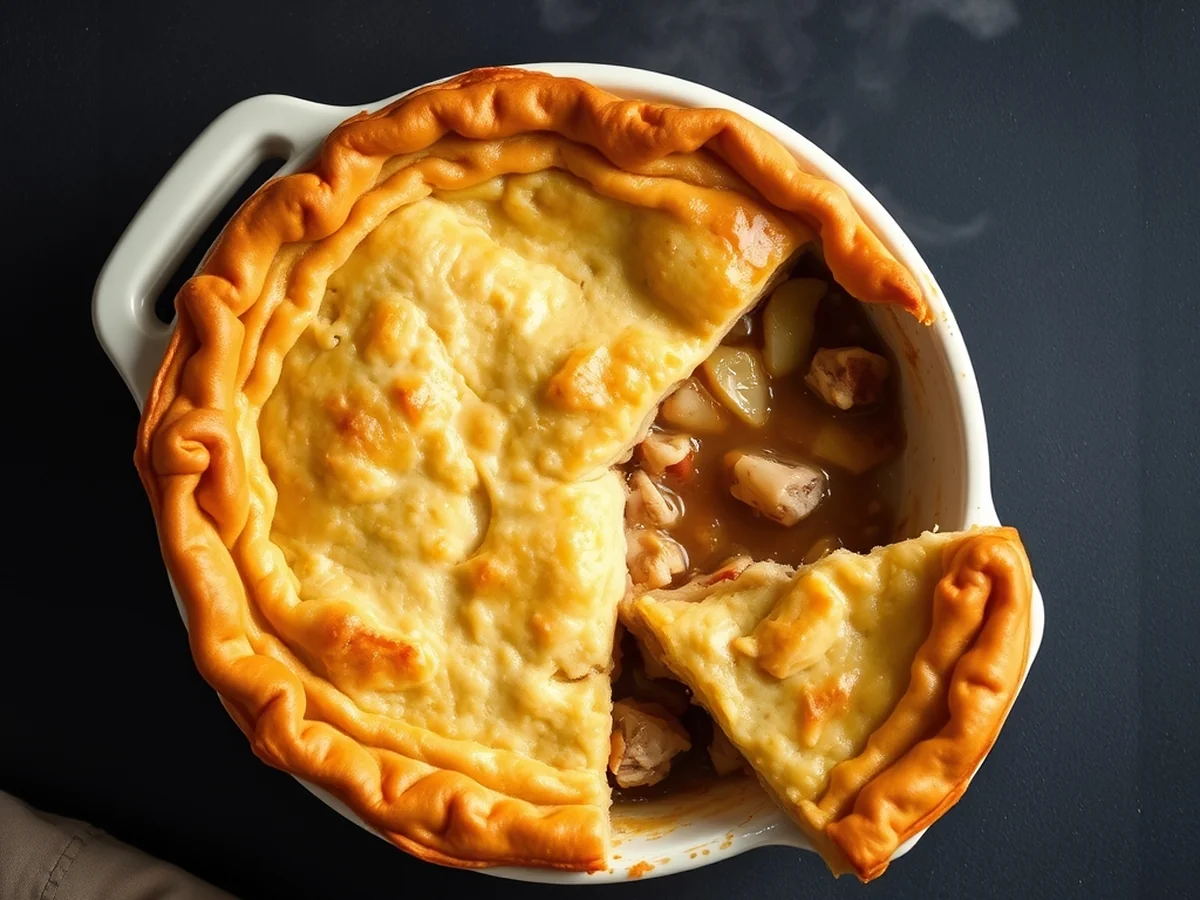
You can easily transform holiday remnants into a hearty meal by binding pot pie fillings together using leftover gravy. This approach creates a rich, cohesive texture that mimics a slow-cooked stew. Simply combine your chopped poultry, cooked vegetables, and gravy in a skillet before pouring the mixture into a baking dish.
For a classic twist, shepherd’s pie can be made by topping a pot pie-style filling with mashed potatoes. This method provides a golden, crusty finish that balances the savory interior. Since mashed potatoes can become dry and crumbly after refrigeration, stir in a small amount of milk or melted butter before spreading them over the top. This ensures a creamy, consistent layer that browns beautifully in the oven.
Gourmet Sandwiches and Melts
Constructing elevated sandwiches and paninis with sliced poultry and cranberry condiments turns a simple lunch into a gourmet experience. These meals rely on the contrast between savory proteins and the tart sweetness of remaining sauce. To maximize flavor, consider these combinations for your next thanksgiving leftover sandwich:
- Layering thinly sliced turkey with a spread of cranberry sauce and sharp white cheddar on sourdough bread.
- Pressing a panini filled with poultry, stuffing, and a light drizzle of gravy for a warm, compressed crunch.
- Adding a handful of arugula or fresh herbs to brighten the rich, savory notes of the leftover thanksgiving turkey recipes.
When building these handheld meals, use a heavy pan or a sandwich press to achieve an even sear on the bread. This ensures the fillings inside reach a proper temperature while creating a satisfying crust. If your bread feels too soft, brushing the exterior with a thin layer of butter or oil will help it crisp up effectively during the heating process. By focusing on ingredient layering and controlled heat, you turn familiar components into something entirely new.
International Twists and Bold Flavor Profiles

You can breathe new life into holiday staples by looking toward global spice palettes and traditional techniques from around the world. Moving beyond basic casseroles allows you to transform standard poultry and sides into vibrant, modern meals that feel entirely fresh.
Integrating turkey into dishes like tikka masala or rich, spicy pozole provides a welcome contrast to the milder flavors of the original feast. These unique thanksgiving leftover recipes work because the cooked meat easily absorbs aromatic sauces, spices, and chilies. Simply simmering shredded turkey in a coconut milk or tomato based curry sauce, for example, creates a sophisticated dinner in minutes.
Experimental approaches like turkey birria or kimchi pancakes demonstrate how versatile these ingredients can be when paired with bold, punchy aromatics. Consider these creative directions for your kitchen:
- Fold chopped turkey and scallions into a savory kimchi pancake batter for a crispy, fermented bite.
- Simmer shredded poultry with dried chilies and hominy to build a quick, comforting pozole.
- Use a slow-cooked birria style broth to dip tacos filled with seasoned turkey and melted cheese.
- Create a tikka masala base using tomato puree, ginger, and garam masala to coat pieces of leftover meat.
Spiced flavor combinations provide a necessary wake-up call for the palate after a day of heavy, traditional dining. When you incorporate brighter ingredients like lime, fresh cilantro, hot sauce, or toasted spices, you elevate the meal from a reheated necessity to a deliberate culinary choice. This practice ensures that no ingredient goes to waste while keeping your post-holiday menu exciting and diverse.
Transforming Sides and Sweets Into New Favorites
Reviving Mashed Potatoes
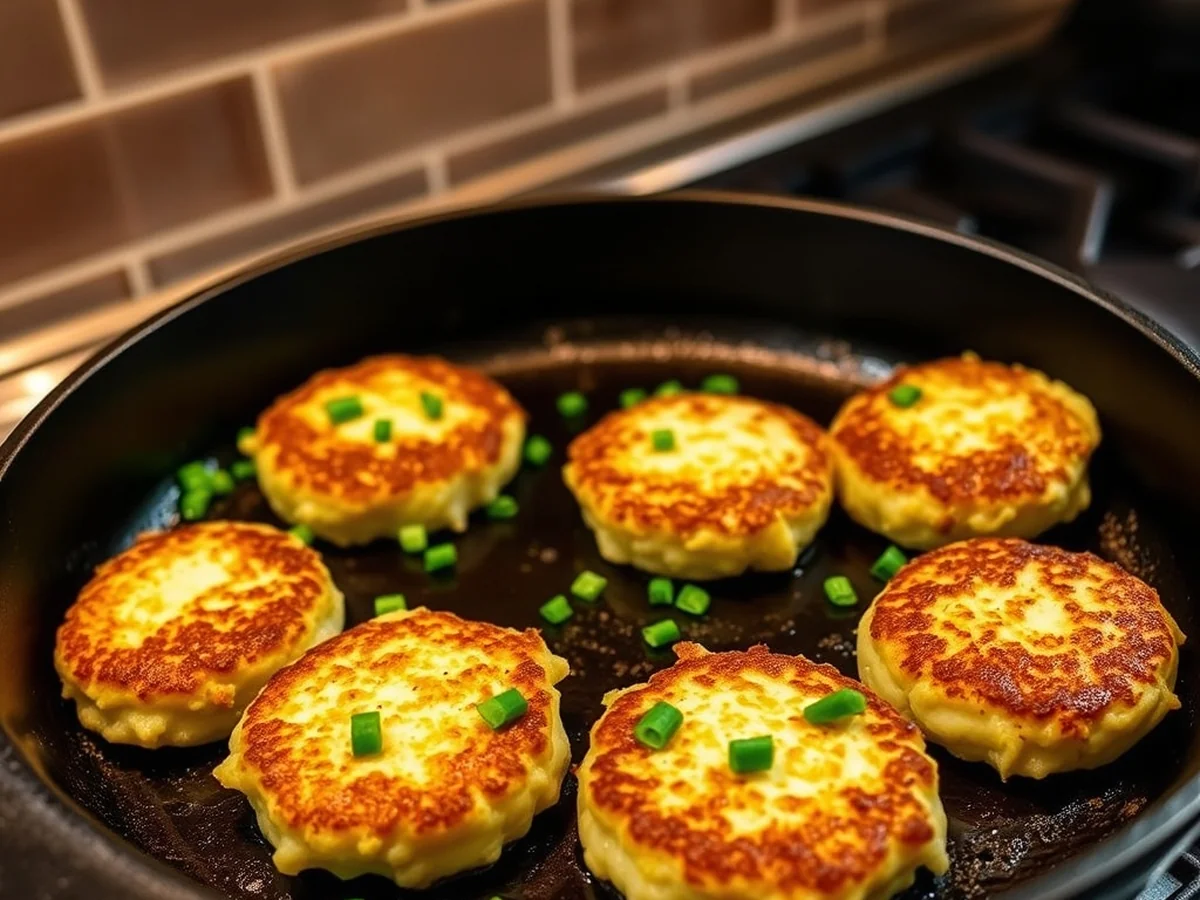
You can easily restore the texture of refrigerated mashed potatoes by introducing moisture and binders. It is common guidance that mashed potatoes often become dry and crumbly after refrigeration, but they remain an excellent base for new dishes. Adding a splash of cream or a knob of melted butter helps return them to a creamy consistency, making them easier to shape into cakes or croquettes.
If you want to create crispy potato cakes, mix the chilled potatoes with a beaten egg. The egg acts as a binder, ensuring the mixture holds its shape during pan-frying. These simple adjustments turn basic side dishes into fresh, crispy favorites. You might also use them as a hearty topping for shepherd’s pie, where the potatoes seal in the moisture of a savory filling. When exploring various Thanksgiving Leftover Recipes, remember that consistent heat and proper binding are the keys to a successful texture.
Sweet Potato Cookies and Alternative Bakes
Sweet potato elements provide a perfect base for unique baked goods, adding natural sweetness and a soft, dense crumb to your kitchen creations. You can incorporate leftover mashed sweet potatoes directly into cookie dough to create moist, cake-like treats. The natural starches in the potato help maintain a tender structure, often reducing the need for extra fats or sugars.
When baking with these leftovers, consider these approaches for your sweet treats:
- Fold pureed sweet potatoes into a standard oatmeal or spice cookie base for added density.
- Mix small amounts of sweet potato into muffin or quick bread batters to increase moisture.
- Use the potatoes as a filling for hand pies, seasoned with cinnamon, nutmeg, or a hint of ginger.
These easy thanksgiving leftover recipes allow you to transition from savory dinner sides to comforting desserts without waste. By treating sweet potatoes as a functional ingredient rather than just a side, you can build a variety of flavorful bakes that feel entirely new. Always ensure the potatoes are smooth before mixing to avoid unwanted lumps in your dough.
Portion Management and Freezer Storage Tips

Managing post holiday meals effectively requires careful planning so that every component of a turkey dinner remains safe and delicious. Dividing a large batch into single-serve containers keeps meals ready to grab and prevents food waste, while also fitting neatly into a crowded fridge. When home cooks handle turkey, mashed potatoes, and stuffing with proper storage techniques, they extend the life of their food and make weeknight dinners much easier.
To avoid common mistakes, always let hot food cool slightly before sealing, but never leave perishable items at room temperature for more than two hours. Cooling cooked vegetables on a sheet pan before transferring them to airtight bags speeds up the process and reduces the risk of freezer burn. Another practical method involves freezing gravy in silicone muffin trays, then popping the solid cubes into a zip-top bag for easy portioning and quick reheating later.
- Label each container clearly with the date and contents so you can rotate older portions first and stay within the USDA Food Safety and Inspection Service recommended two-day window for refrigerated turkey, or freeze items for longer storage.
- Shred turkey, mix it with a splash of broth to retain moisture, and pack it in flat freezer bags; flattening the bags maximizes freezer space and ensures the meat thaws evenly.
- Plan a weekly menu that alternates protein-heavy dishes with vegetable-focused plates, which helps avoid the monotony of eating the same leftovers day after day.
Understanding how different ingredients react to cold temperatures prevents kitchen disappointments. Common guidance suggests that mashed potatoes can sometimes become dry and crumbly after refrigeration, so storing them in airtight containers with a pat of butter or a splash of milk on top helps restore their texture when reheated. By organizing portions thoughtfully, home cooks turn a mountain of holiday food into manageable, crave-worthy meals for the weeks ahead.
Transforming Holiday Staples into New Meals
Repurposing holiday food items prevents waste and provides a fresh way to enjoy seasonal flavors long after the main event. You can easily breathe new life into your refrigerator haul by combining ingredients in ways that differ entirely from your original dinner menu.
Stuffing and mashed potatoes often become dry after refrigeration, but they transform beautifully when repurposed as savory bases. Common guidance suggests mixing approximately 4 cups of stuffing with 2 beaten eggs and 2 tablespoons of milk to create crispy, savory waffles in a standard iron. Mashed potatoes serve as a versatile topping or filling, functioning well when spread over a pot pie-style mixture to create a hearty shepherd’s pie. If the potatoes have lost their creamy texture, stir in a splash of warm milk, butter, or even a dollop of sour cream before baking.
Leftover poultry is the star of many creative preparation methods. You can dice or shred turkey to serve as the protein anchor in various dishes. One popular technique involves binding the meat with leftover gravy to form the base of a savory pot pie, which can be topped with pie crust or your prepared mashed potatoes. Beyond traditional bakes, consider incorporating turkey into soups, stews, or even breakfast egg bakes to stretch the ingredients across multiple days. When handling these items, ensure you follow safety standards from the USDA Food Safety and Inspection Service, which recommends keeping leftovers at or below 40 degrees Fahrenheit and consuming or freezing them within 3 to 4 days.
Frequently Asked Questions
How long can I safely keep Thanksgiving leftovers in the fridge?
The USDA Food Safety and Inspection Service recommends that you store cooked poultry and side dishes in the refrigerator for no more than 3 to 4 days. If you cannot finish the food within this timeframe, transfer it to an airtight container and freeze it for later use.
What is the best way to reheat turkey so it stays moist?
You can keep poultry from drying out by adding a small amount of broth or gravy to the dish before warming it in the oven or on the stovetop. Covering the container with foil also helps retain moisture during the reheating process.
Can I freeze mashed potatoes?
Freezing is an effective way to store potatoes, though the texture may change slightly upon thawing. For the best results, reheat them slowly and incorporate a little extra butter or cream to restore their original consistency.
Are there any creative ways to use leftover cranberry sauce?
Cranberry sauce makes an excellent addition to breakfast items like yogurt parfaits, oatmeal, or even as a tangy spread on a turkey sandwich. You can also swirl it into muffin batter or use it as a glaze for roasted vegetables.
Creative Ways to Reduce Food Waste
Transforming post holiday ingredients into fresh meals is an effective way to minimize food waste while extending the enjoyment of your celebratory feast. Rather than letting extra turkey, stuffing, and side dishes sit in the refrigerator, you can repurpose these items into entirely new culinary creations. This practice not only saves money but also keeps your kitchen dynamic throughout the week.
Do not be afraid to experiment with your ingredients. While classic comfort dishes like shepherd’s pie or savory stuffing waffles are always popular, you can also incorporate bold international flavors. Try adding turkey to a spicy curry or using leftover cranberry sauce in a tangy glaze for fusion dishes. Exploring these Thanksgiving Leftover Recipes allows you to reinvent familiar flavors in exciting, modern ways.
Conclusion
The best approach to managing your holiday extras is to prioritize safety and flavor consistency. Review these Thanksgiving Leftover Recipes to determine which method best suits your remaining ingredients and schedule. Once you have a plan, start by properly storing your components to ensure every meal remains delicious and safe to eat.
You might also like: Chocolate Chip Scones