
Creamy Chicken Veggie Pasta With Lemon,Lemon Chicken Veggie Pasta
Preparing a bowl of creamy chicken veggie pasta with lemon,lemon chicken veggie pasta, brings a perfect balance of zesty brightness and comforting richness to your dinner table. This dish relies on the marriage of tender poultry, crisp seasonal vegetables, and a silky sauce that coats every strand of al dente noodles.
It is an ideal weeknight solution for those who want a restaurant-quality meal without spending hours in the kitchen. By balancing the acidity of citrus with the savory depth of parmesan, you achieve a flavor profile that feels both sophisticated and deeply satisfying for the whole family.
- Prep time: 15 minutes
- Cook time: 30 minutes
- Total time: 45 minutes
- Servings: 4
- Calories: 420 per serving
Ingredients
- 12 oz penne or fusilli pasta
- 1 lb boneless, skinless chicken breasts, cut into bite-sized pieces
- 2 tbsp olive oil
- 1 medium yellow onion, finely diced
- 3 cloves garlic, minced
- 2 cups fresh broccoli florets, chopped into small pieces
- 1 medium red bell pepper, diced
- 2 tbsp unsalted butter
- 2 tbsp all-purpose flour
- 1 cup low-sodium chicken broth
- 1 cup heavy cream
- 1/2 cup freshly grated parmesan cheese
- 2 tbsp fresh lemon juice
- 1 tbsp lemon zest
- 1 tsp kosher salt
- 1/2 tsp freshly cracked black pepper
- 1/4 cup fresh parsley, chopped for garnish
Instructions
- Bring a large pot of salted water to a boil and cook the pasta according to package directions until al dente.
- Drain the pasta, reserving about half a cup of the cooking water, and set the noodles aside.
- Heat the olive oil in a large skillet over medium-high heat and add the chicken pieces in a single layer.
- Cook the chicken for about 6 to 8 minutes, turning occasionally, until it is golden brown and cooked through.
- Remove the chicken from the pan and set it aside on a clean plate.
- In the same pan, add the diced onion and sauté for about 3 minutes until it becomes translucent.
- Add the broccoli and red bell pepper to the skillet, cooking for another 4 to 5 minutes until the vegetables are tender-crisp.
- Stir in the minced garlic and cook for 30 seconds until fragrant, then remove all vegetables from the pan.
- Melt the butter in the now-empty skillet over medium heat and whisk in the flour to form a paste.
- Gradually pour in the chicken broth and heavy cream, whisking constantly to prevent lumps from forming.
- Simmer the sauce for about 5 minutes until it thickens enough to coat the back of a wooden spoon.
- Stir in the parmesan cheese, lemon juice, lemon zest, salt, and pepper until the cheese is completely melted.
- Return the chicken and vegetables to the pan, tossing everything together to coat thoroughly in the sauce.
- Add the cooked pasta to the skillet, tossing well; if the sauce is too thick, add a tablespoon of the reserved pasta water at a time.
- Serve immediately, garnished with the fresh parsley and extra lemon zest if desired.
The Science of Creamy Emulsions
Achieving the perfect texture in a sauce requires understanding how fats and liquids interact under heat. When you create a base using butter and flour, you are building a classic roux, which acts as the thickening backbone for your dish. Adding cream to this mixture introduces milk proteins that stabilize the sauce, preventing it from breaking or becoming oily.
The acidity of lemon juice is a double-edged sword when working with dairy products. If you add cold lemon juice to a high-heat cream mixture too quickly, the proteins can coagulate and cause the sauce to curdle. Always incorporate your citrus elements toward the end of the cooking process to maintain a smooth, velvety consistency.
For those interested in the chemistry of starch gelatinization, the Exploratorium’s Science of Cooking resource offers excellent insights into how heat changes the structure of ingredients. Controlling the temperature of your pan is the most vital step in preventing a grainy sauce. If you find your sauce is becoming too thick, the starch released by the pasta water will help loosen it while adding a subtle silkiness that water alone cannot provide.
Selecting the Right Vegetables
While this recipe calls for broccoli and bell peppers, the beauty of a chicken veggie pasta dish lies in its versatility. You want vegetables that maintain a bit of structural integrity even after being tossed in a hot pan. Zucchini, asparagus, and even baby spinach are excellent candidates that provide color and nutritional value.
If you choose to use harder vegetables like carrots or snap peas, ensure they are sliced thinly. This allows them to cook at the same rate as the chicken, preventing a situation where the meat is overcooked while the vegetables remain raw. You can also roast your vegetables separately before adding them to the pasta if you prefer a deeper, caramelized flavor profile.
Remember that vegetables release water as they cook, which can dilute your delicate lemon cream sauce. Always sauté your veggies separately or remove them from the pan while you build the sauce base. This keeps the colors vibrant and prevents the dish from becoming watery or mushy on the plate.
Perfecting the Chicken
The chicken in your meal should be juicy, flavorful, and perfectly seared. Using breast meat is standard, but you can certainly use thighs if you prefer a richer flavor and a more forgiving texture. The key is to avoid overcrowding the pan, which would cause the meat to steam rather than brown.
Browning the meat creates fond, the flavorful brown bits that stick to the bottom of the skillet. When you add your broth and cream later, these bits will lift off and infuse the entire sauce with savory depth. If you are short on time, you can also use pre-cooked rotisserie chicken, though you will lose the benefit of the pan-seared fond.
Always let your chicken rest for a few minutes before slicing or adding it to the final dish. This allows the internal juices to redistribute, ensuring that every bite of poultry is succulent. If you find your chicken is drying out, try brining it in a simple salt-water solution for thirty minutes before cooking.
Mastering the Lemon Element
Lemon is the star of this recipe, providing the necessary high notes to cut through the richness of the heavy cream and parmesan. You should focus on using both the juice and the zest to capture the full spectrum of citrus flavor. The zest contains essential oils that provide a floral aroma, while the juice provides the sharp, acidic bite.
When zesting your lemons, be careful to avoid the white pith underneath the yellow skin. The pith is incredibly bitter and can ruin the balance of your sauce if too much of it makes its way into the pan. Use a microplane or a fine grater for the best results, ensuring you only get the flavorful outer layer.
If you find that the dish needs an extra punch of brightness, try finishing the plate with a squeeze of fresh lemon right before serving. This “brightening” technique is used by professional chefs to lift the flavors of a heavy, cream-based sauce. You can also garnish with thin lemon wheels to add a visual appeal that hints at the flavor profile waiting inside the bowl.
Tips for Success
* Substitutions: If you are looking to reduce the calorie count, you can swap heavy cream for half-and-half or even a mixture of Greek yogurt and pasta water, though you must be careful not to boil the yogurt as it will separate.
* Make-Ahead: You can prepare the chicken and vegetables in advance, but the sauce is best made fresh just before serving. If you must store leftovers, add a splash of milk or broth when reheating to bring the sauce back to life.
* Storage: Keep your pasta in an airtight container in the refrigerator for up to three days.
Note that the pasta will continue to absorb the sauce over time, so it may appear dry after sitting overnight.
* Common Mistakes: The most frequent error is overcooking the pasta. Ensure you drain it while it still has a slight bite, as it will continue to cook slightly when tossed into the hot sauce.
* Gluten-Free Options: You can easily swap the wheat-based pasta for a brown rice or chickpea pasta, though keep an eye on the cooking time as these varieties tend to soften faster than traditional semolina pasta.
Frequently Asked Questions
What makes lemon chicken pasta creamy?
The creaminess comes from a combination of a traditional roux—butter and flour—and the addition of heavy cream and parmesan cheese. These ingredients emulsify to create a smooth, velvety coating that clings to the pasta.
What vegetables go well in lemon pasta?
Vegetables that provide a fresh, crisp contrast to the rich sauce work best. Excellent choices include broccoli, asparagus, zucchini, peas, and spinach, which all pair beautifully with the bright notes of lemon.
Can I make this dish without cream?
Yes, you can substitute the cream with a combination of starchy pasta water, extra parmesan, and a bit of olive oil. While it won’t be as thick as a traditional cream sauce, it will still be delicious and much lighter.
How do I keep the sauce from breaking?
Avoid boiling the sauce vigorously once the dairy has been added. Keep the heat at a gentle simmer and whisk constantly to maintain an even emulsion throughout the cooking process.
Should I rinse my pasta after cooking?
Never rinse your pasta if you plan on serving it with a sauce. The starch on the surface of the noodles is essential for helping the sauce adhere to the pasta instead of sliding off into the bottom of the bowl.
Conclusion
Mastering a creamy chicken veggie pasta with lemon,lemon chicken veggie pasta, is a rewarding endeavor that elevates your home cooking repertoire. By focusing on the balance of acid, fat, and texture, you can create a meal that feels both indulgent and vibrant. The process of building a sauce from scratch allows you to control the quality of your ingredients, ensuring a result that is superior to any pre-packaged alternative.
Whether you are cooking for a quiet night in or hosting a small gathering, this dish provides a reliable and impressive centerpiece. Embrace the process, don’t be afraid to experiment with your favorite seasonal vegetables, and enjoy the delicious results of your time in the kitchen.
Creamy Chicken Veggie Pasta With Lemon,Lemon Chicken Veggie Pasta
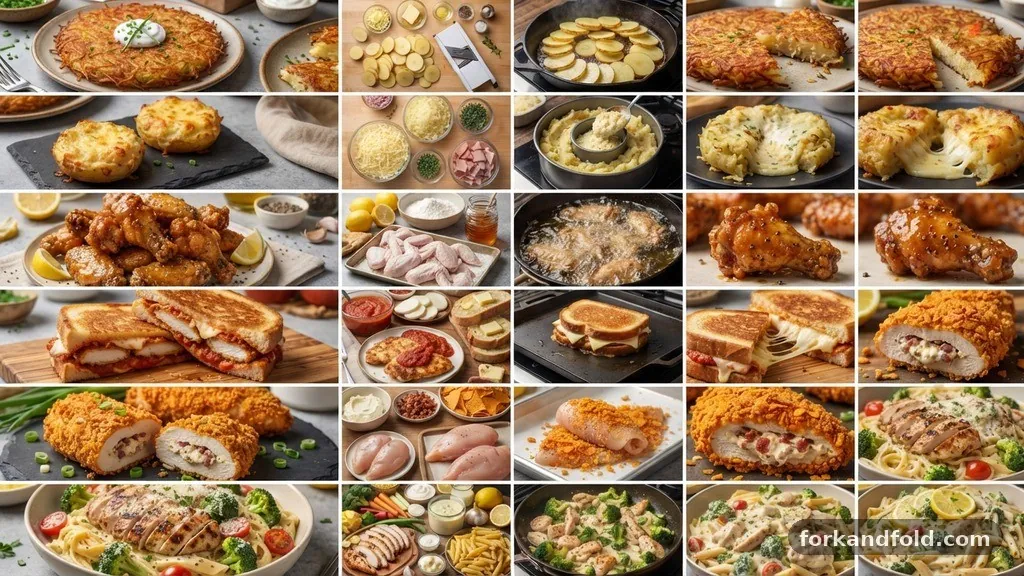
Preparing a bowl of creamy chicken veggie pasta with lemon, lemon chicken veggie pasta, brings a perfect balance of zesty brightness and comforting richness to your dinner table.
Ingredients
- 12 oz penne or fusilli pasta
- 1 lb boneless, skinless chicken breasts, cut into bite-sized pieces
- 2 tbsp olive oil
- 1 medium yellow onion , finely diced
- 3 cloves garlic , minced
- 2 cups fresh broccoli florets, chopped into small pieces
- 1 medium red bell pepper, diced
- 2 tbsp unsalted butter
- 2 tbsp all-purpose flour
- 1 cup low-sodium chicken broth
- 1 cup heavy cream
- 1/2 cup freshly grated parmesan cheese
- 2 tbsp fresh lemon juice
- 1 tbsp lemon zest
- 1 tsp kosher salt
- 1/2 tsp freshly cracked black pepper
- 1/4 cup fresh parsley, chopped for garnish
Instructions
- Bring a large pot of salted water to a boil and cook the pasta according to package directions until al dente.
- Drain the pasta, reserving about half a cup of the cooking water, and set the noodles aside.
- Heat the olive oil in a large skillet over medium-high heat and add the chicken pieces in a single layer.
- Cook the chicken for about 6 to 8 minutes, turning occasionally, until it is golden brown and cooked through.
- Remove the chicken from the pan and set it aside on a clean plate.
- In the same pan, add the diced onion and sauté for about 3 minutes until it becomes translucent.
- Add the broccoli and red bell pepper to the skillet, cooking for another 4 to 5 minutes until the vegetables are tender-crisp.
- Stir in the minced garlic and cook for 30 seconds until fragrant, then remove all vegetables from the pan.
- Melt the butter in the now-empty skillet over medium heat and whisk in the flour to form a paste.
- Gradually pour in the chicken broth and heavy cream, whisking constantly to prevent lumps from forming.
- Simmer the sauce for about 5 minutes until it thickens enough to coat the back of a wooden spoon.
- Stir in the parmesan cheese, lemon juice, lemon zest, salt, and pepper until the cheese is completely melted.
- Return the chicken and vegetables to the pan, tossing everything together to coat thoroughly in the sauce.
- Add the cooked pasta to the skillet, tossing well; if the sauce is too thick, add a tablespoon of the reserved pasta water at a time.
- Serve immediately, garnished with the fresh parsley and extra lemon zest if desired.
Similar Posts
Bacon Cheeseburger Meatloaf,Bacon Cheeseburger Meatloaf
Preparing a hearty dinner often leads us to comfort classics, and few dishes satisfy the soul quite like a well-executed bacon cheeseburger meatloaf, bacon cheeseburger meatloaf style. By combining the savory, smoky notes of crispy pork with the classic, juicy profile of a backyard burger, you create a meal that bridges the gap between a…
Crispy Fried Chicken Box With Fries Coleslaw,Fried Chicken Box with Fries & Slaw
Preparing a homemade crispy fried chicken box with fries coleslaw,fried chicken box with fries & slaw is the ultimate way to satisfy those cravings for classic comfort food. By mastering the delicate balance of a crunchy exterior and juicy, tender meat, you can create a meal that rivals your favorite local takeout spot. This guide…
Maple Pecan Ricotta Stuffed Sweet Potatoes With Cranberry Glaze,Stuffed Sweet Potatoes with Maple Pecan
Preparing a batch of Maple Pecan Ricotta Stuffed Sweet Potatoes With Cranberry Glaze,Stuffed Sweet Potatoes with Maple Pecan is the perfect way to highlight seasonal produce in a single, elegant dish. These oven-roasted sweet potatoes balance the earthy sweetness of root vegetables with creamy, protein-rich cheese and the tart brightness of a homemade fruit reduction….
Old Fashioned Chow Chow Relish,Old Fashioned Chow Chow Relish
Making traditional preserves at home connects us to a simpler time, and mastering the art of Old Fashioned Chow Chow Relish,Old Fashioned Chow Chow Relish is the perfect way to start. This tangy, crunchy condiment is a staple of Southern kitchens, prized for its ability to cut through rich meats or brighten a simple bowl…
Crispy Buttermilk Chicken Sandwich,Crispy Buttermilk Chicken Sandwich
Mastering a restaurant-quality crispy buttermilk chicken sandwich, crispy buttermilk chicken sandwich at home is an achievable feat for any kitchen enthusiast. By balancing the acidity of the dairy marinade with a perfectly seasoned flour dredge, you can recreate that craveable crunch and tender interior found in the best versions of this classic comfort food. This…
Crispy Golden Potato Pancakes,Crispy Golden Potato Pancakes
Mastering the art of making delicious Crispy Golden Potato Pancakes,Crispy Golden Potato Pancakes at home is a rewarding culinary skill. These savory treats rely on a careful balance of starch and moisture to achieve their signature crunch. Whether you enjoy them for breakfast or as a side dish, learning the proper technique ensures you achieve…